



Veterans Affairs Medical Center – Substance Abuse Recovery Program
Located in the heart of Washington D.C., the Veterans Affairs Medical Center (VAMC) offers a comprehensive Substance Abuse Recovery Program designed specifically to meet the unique needs of America’s veterans. Understanding the complex challenges that can accompany military service, this program provides a supportive and structured environment where veterans can address issues related to substance use disorders.
A Mission-Driven Approach to Recovery
The VAMC Substance Abuse Recovery Program is rooted in a commitment to holistic healing. It recognizes that recovery extends beyond simply stopping substance use; it involves addressing co-occurring mental health issues, trauma, and social challenges that often contribute to addiction. The program utilizes evidence-based therapies and personalized treatment plans, ensuring that each veteran receives care tailored to their individual history and goals.
Treatment Services Offered
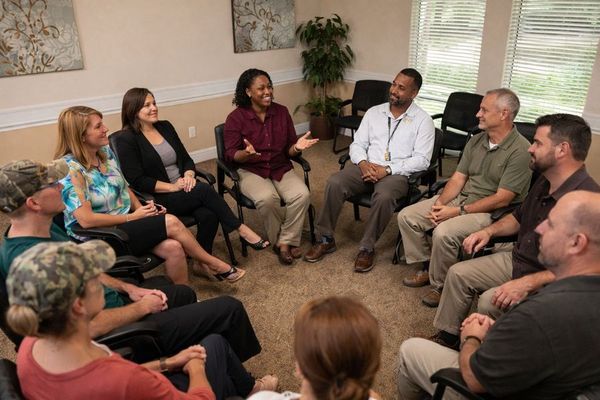
Treatment modalities are varied and intensive, aiming for long-term sobriety and improved quality of life. Services are delivered by a dedicated team of professionals, including addiction specialists, psychiatrists, and social workers.
- Individual and Group Therapy
- Cognitive Behavioral Therapy (CBT) and Motivational Interviewing (MI)
- Medication-Assisted Treatment (MAT)
- Trauma-Informed Care
- Psychoeducation and Relapse Prevention Planning
- Coordination with VA Primary Care and Mental Health Services
The facility is located at 50 Irving Street NW 3-C North, Washington DC, providing convenient access for veterans seeking vital recovery services in the capital region.
Focus on Veteran-Specific Challenges
Many veterans face elevated rates of Post-Traumatic Stress Disorder (PTSD) and chronic pain, both of which can be intricately linked to substance misuse. The VAMC program places a strong emphasis on integrating mental health treatment with addiction recovery. By treating the underlying conditions alongside the substance use disorder, the program significantly increases the likelihood of sustainable recovery and helps veterans transition successfully back into civilian life.
Frequently Asked Questions
What types of substances does the program treat?
The program treats a wide range of substance use disorders, including those related to alcohol, opioids, prescription medications, and other illicit drugs.
Do I need to be enrolled in VA healthcare to access this program?
Generally, enrollment in the VA healthcare system is required to access the specialized substance abuse treatment services provided at the VAMC.
How long does the Substance Abuse Recovery Program last?
The duration of treatment varies greatly depending on the individual veteran’s clinical needs, the severity of the addiction, and the specific level of care recommended by the treatment team.
Does the program offer residential treatment?
The specific levels of care available, such as inpatient, residential, or intensive outpatient programs, should be confirmed by contacting the Veterans Affairs Medical Center directly.
