



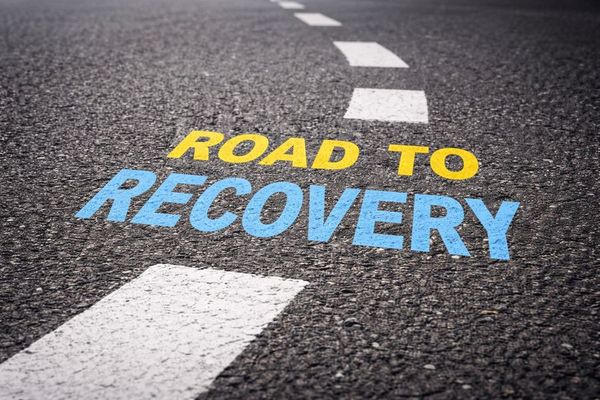
Understanding Addiction Treatment Programs
Seeking help for substance use disorder is a critical first step toward lasting recovery. Addiction treatment programs offer structured, supportive environments designed to address the complex nature of addiction—a chronic disease affecting both the brain and behavior. These facilities provide comprehensive care tailored to individual needs, focusing on both physical healing and psychological well-being. A successful program typically integrates medical support, various therapies, and aftercare planning to equip individuals with the tools necessary to maintain sobriety long-term.
The Core Components of Treatment
Effective addiction treatment is rarely a one-size-fits-all approach. Programs employ a multidisciplinary strategy, combining several proven methods to facilitate healing. Detoxification is often the initial phase, safely managing withdrawal symptoms under medical supervision. Following detox, the focus shifts to therapy and counseling, which are essential for understanding the root causes of addiction and developing coping mechanisms.
Key therapeutic modalities often include:
- Cognitive Behavioral Therapy (CBT): Helps individuals identify and change problematic thought patterns.
- Dialectical Behavior Therapy (DBT): Focuses on emotional regulation and distress tolerance.
- Individual Counseling: Provides one-on-one sessions to address personal issues and triggers.
- Group Therapy: Offers peer support and a shared experience of recovery.
- Family Therapy: Works to heal relationships and improve communication dynamics.
Levels of Care and Aftercare Planning
Treatment programs offer different levels of intensity to meet various needs. Residential or inpatient programs provide 24/7 supervised care, ideal for severe addictions or those requiring a highly structured environment. Outpatient programs, including Partial Hospitalization Programs (PHP) and Intensive Outpatient Programs (IOP), allow individuals to receive treatment while living at home or in sober living facilities. These levels provide flexibility as individuals transition back into daily life.
Recovery is a lifelong process, and dedicated aftercare planning is vital to prevent relapse. A robust aftercare plan usually involves connections to community resources, continued counseling, participation in support groups (such as 12-step programs), and sober living arrangements. The transition from active treatment to independent living requires ongoing commitment and the establishment of a strong support network.
Frequently Asked Questions (FAQs)
What is the typical duration of an addiction treatment program?
The length of a program varies greatly depending on the individual’s needs, the severity of the addiction, and the type of program. Programs can range from 30 days to 90 days or longer, with continuous outpatient support often extending for months or years.
Are addiction treatment programs covered by insurance?
In many regions, mental health and substance abuse treatment services are required to be covered by insurance plans, though the extent of coverage depends on your specific policy and provider. It is highly recommended to contact your insurance company directly to verify benefits and program eligibility.
What should I look for when choosing a facility?
When selecting a treatment facility, consider licensing and accreditation, staff credentials, the ratio of staff to clients, the use of evidence-based therapeutic methods, and the quality of their aftercare planning services.
