



Comprehensive Addiction Treatment and Recovery Services
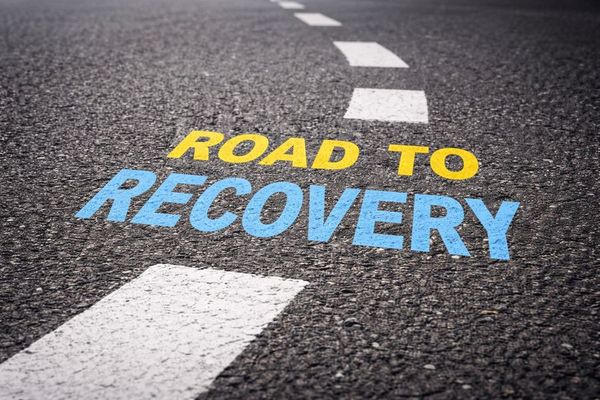
Embarking on the path to recovery from addiction requires courage, commitment, and comprehensive support. A quality addiction treatment program is designed to address the physical, emotional, and social complexities associated with substance use disorder. These programs employ a holistic approach, combining evidence-based medical interventions with behavioral therapy, counseling, and long-term support to foster lasting change.
Integrated Medication-Assisted Treatment (MAT)
For many individuals struggling with opioid use disorder, Medication-Assisted Treatment (MAT) is a cornerstone of recovery. This approach integrates FDA-approved medications with counseling and behavioral therapies. Medications such as Methadone, Suboxone (Buprenorphine/Naloxone), Sublocade, Zubsolv, and Vivitrol are utilized to stabilize patients, reduce cravings, and prevent relapse, making the early stages of recovery more manageable. The prescribing and dispensing of these treatments are carefully managed by medical professionals as part of a personalized treatment plan.
Evidence-Based Behavioral Therapy
Addressing the psychological roots of addiction is critical for sustained sobriety. Behavioral therapy services provide patients with the tools and coping mechanisms needed to navigate triggers, manage stress, and improve mental well-being. Services often include individual and group counseling sessions focused on cognitive-behavioral techniques, motivational interviewing, and relapse prevention planning. These sessions help patients tackle the mental and social pressures of addiction and co-occurring mental health issues like anxiety or depression.
A Commitment to Confidentiality and Support
Trust and privacy are essential components of effective treatment. Reputable treatment centers ensure that all treatments and counseling services are entirely confidential, fostering a safe environment where patients can openly engage in their recovery journey. Beyond clinical care, support services often extend to include family education and counseling for loved ones, recognizing that addiction impacts the entire family system. The ultimate goal is to empower patients to achieve long-term recovery and significantly improve their overall quality of life.
Frequently Asked Questions
- How long does the average treatment program last? Treatment duration varies significantly based on the individual’s needs, the severity of the addiction, and the type of services required. Programs can range from several weeks to many months, often transitioning from intensive treatment to less frequent, long-term aftercare support.
- Does insurance cover addiction treatment? Most comprehensive health insurance plans offer coverage for substance use disorder treatment, including MAT and counseling services. It is recommended to contact the treatment provider directly to verify specific benefits and coverage details.
- What is a holistic treatment approach? A holistic treatment approach means addressing all aspects of the patient’s well-being—physical health, emotional stability, and social environment—rather than focusing solely on substance use. This comprehensive method leads to more sustainable recovery outcomes.
- Can I receive treatment if I have co-occurring mental health issues? Yes, the best addiction treatment programs offer integrated care, meaning they treat both the substance use disorder and any concurrent mental health conditions (such as depression or anxiety) simultaneously.
