



Help with addiction starts with one call.

877-922-8999
PersonPersonPerson

Thousands of people helped nationwide.

Reflective Treatment Center

Contact Information
301 North Gay Street Lower Level, Baltimore, MD, Maryland 21202
0.000
Detailed Information

Reflective Treatment Center: Comprehensive Care in Baltimore, MD

Located at 301 North Gay Street in Baltimore, MD, Reflective Treatment Center offers dedicated and personalized care for individuals seeking recovery from addiction. This center is committed to fostering a supportive and structured environment where clients can address the underlying causes of substance use and develop essential life skills for sustained sobriety. Recognizing that addiction is a multifaceted challenge, Reflective Treatment Center employs a holistic approach that integrates various therapeutic modalities tailored to meet the unique needs of each person.

Program Philosophy and Approach

The foundation of Reflective Treatment Center’s programming rests on the principle of individualized care. Upon arrival, each client undergoes a thorough assessment to determine the most effective treatment plan. The center utilizes evidence-based therapies, which are crucial for long-term recovery success. These methods are designed not only to stop substance use but also to promote emotional healing, improved mental health, and the establishment of healthy coping mechanisms. The professional staff are highly trained and committed to guiding clients through every stage of their recovery journey with compassion and expertise.

Treatment Services Available

Reflective Treatment Center provides a continuum of care designed to support clients as they move toward independence. The services are structured to address both the physical and psychological aspects of addiction, often including specialized treatment for co-occurring mental health disorders (dual diagnosis).

  • Individual Therapy: One-on-one sessions focusing on personal challenges and therapeutic goals.
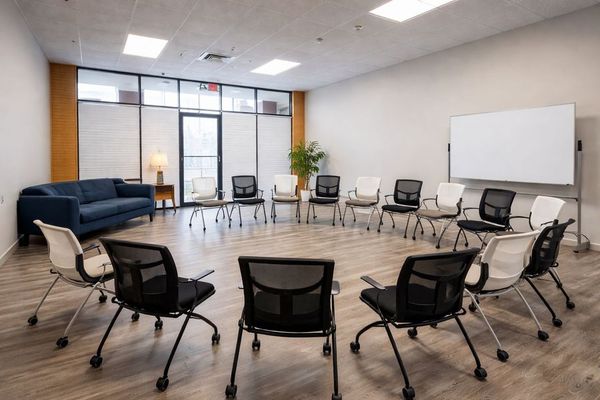
  • Group Counseling: Peer support and process groups to build community and communication skills.
  • Family Support Programs: Educational and therapeutic sessions to mend relationships and foster a supportive home environment.
  • Relapse Prevention Planning: Strategic development of skills and resources needed to maintain sobriety after treatment.
  • Aftercare Planning: Ensuring a smooth transition back into daily life with continued support resources.

Commitment to Lasting Recovery

The goal at Reflective Treatment Center extends beyond initial detoxification and stabilization; the focus is on equipping clients with the tools necessary for a fulfilling, substance-free life. By emphasizing introspection, skill-building, and community engagement, the center strives to help individuals build a robust framework for enduring wellness. The combination of clinical excellence and heartfelt support makes Reflective Treatment Center a key resource for recovery in the Baltimore area.

Frequently Asked Questions (FAQs)

What types of insurance does Reflective Treatment Center accept?

It is recommended to contact the center directly with your insurance information, as coverage varies widely. The admissions team can verify benefits and discuss payment options.

How long are the treatment programs typically?

Program length is customized for each individual based on their specific needs and clinical recommendations, though many programs offer both short-term and extended care options.

Does the center offer services for co-occurring mental health disorders?

Yes, Reflective Treatment Center is equipped to provide comprehensive dual-diagnosis treatment, addressing both addiction and any concurrent mental health conditions simultaneously.

Opening Hours
Monday
6:00 am - 10:00 pm
Tuesday
6:00 am - 10:00 pm
Wednesday
6:00 am - 10:00 pm
Thursday
6:00 am - 10:00 pm
Friday
6:00 am - 10:00 pm
Saturday
6:00 am - 10:00 pm
Sunday
6:00 am - 10:00 pm
Type of Care
Substance use treatment
Detoxification
Service Setting
Outpatient
Outpatient detoxification
Outpatient methadone/buprenorphine or naltrexone treatment
Regular outpatient treatment
Age Groups Accepted
Young Adults
Adults
Gender Accepted
Female
Male
Payment/Insurance/Funding Accepted
Medicare
Medicaid
Private health insurance
Cash or self-payment
State-financed health insurance plan other than Medicaid
Detoxification (medical withdrawal) Services
Opioids detoxification
Medication routinely used during detoxification
Type of Opioid Treatment
Federally-certified Opioid Treatment Program
Methadone detoxification
Methadone maintenance
Maintenance service with medically supervised withdrawal after stabilization
Opioid Medications used in Treatment
Methadone used in Treatment
Type of Alcohol Use Disorder Treatment
Does not treat alcohol use disorder
Pharmacotherapies
Methadone
Assessment/Pre-treatment
Comprehensive mental health assessment
Comprehensive substance use assessment
Outreach to persons in the community
Complete medical history/physical exam
Screening for tobacco use
Screening for substance use
Screening for mental disorders
Treatment Approaches
Anger management
Cognitive behavioral therapy
Motivational interviewing
Relapse prevention
Substance use disorder counseling
Trauma-related counseling
Telemedicine/telehealth therapy
12-step facilitation
Recovery Support Services
Self-help groups
Housing services
Assistance with obtaining social services
Employment counseling or training
Facility Operation
Private non-profit organization
License/Certification/Accreditation
State substance use treatment agency
State mental health department
State department of health
The Joint Commission
SAMHSA certification for opioid treatment program (OTP)
Drug Enforcement Agency (DEA)
Special Programs/Groups Offered
Young adults
Adult women
Pregnant/postpartum women
Adult men
Seniors or older adults
Lesbian, gay, bisexual, transgender, or queer/questioning (LGBTQ)
Veterans
Active duty military
Members of military families
Criminal justice (other than DUI/DWI)/Forensic clients
Clients with co-occurring mental and substance use disorders
Clients with co-occurring pain and substance use disorders
Clients with HIV or AIDS
Clients who have experienced sexual abuse
Clients who have experienced intimate partner violence, domestic violence
Clients who have experienced trauma
Testing
Breathalyzer or blood alcohol testing
Drug and alcohol oral fluid testing
Drug or alcohol urine screening
STD testing
TB screening
Testing for Hepatitis B (HBV)
Testing for Hepatitis C (HCV)
Transitional Services
Aftercare/continuing care
Discharge Planning
Naloxone and overdose education
Outcome follow-up after discharge
Education and Counseling Services
HIV or AIDS education, counseling, or support
Hepatitis education, counseling, or support
Health education services other than HIV/AIDS or hepatitis
Substance use disorder education
Smoking/vaping/tobacco cessation counseling
Individual counseling
Group counseling
Family counseling
Marital/couples counseling
Facility Smoking Policy
Smoking permitted without restriction
Facility Vaping Policy
Vaping permitted in designated area
Exclusive Services
Opioid use disorder clients only
Ancillary Services
Case management service
Domestic violence services, including family or partner
Early intervention for HIV
Find Help (877) 922-8999