



Comprehensive Addiction Treatment Program: A Path to Lasting Recovery
Embarking on the journey of recovery from substance use disorder requires courage, commitment, and, most importantly, access to professional, evidence-based care. Our comprehensive addiction treatment program is meticulously designed to address the physical, psychological, and social dimensions of addiction, providing clients with the necessary tools to achieve long-term sobriety and reclaim their lives. We believe that individualized treatment is key, and our approach integrates a variety of therapeutic modalities tailored to meet the unique needs of every person who walks through our doors.
Integrated Levels of Care
Recovery is rarely linear, which is why our program offers a continuum of care designed to support clients at every stage of their healing process. The goal is to safely transition clients through less restrictive environments as they build independence and stability.
Detoxification Services
The first critical step for many individuals is medically supervised detoxification. Our dedicated medical team monitors withdrawal symptoms 24/7, ensuring safety and comfort during this initial phase. Medications are used as necessary to manage acute symptoms, preparing the client for the intensive therapeutic work ahead.
Residential Treatment
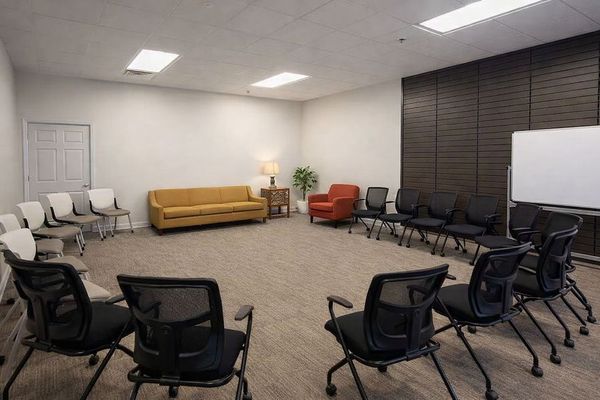
Following detox, clients transition into our structured residential setting. This intensive, immersive environment removes external stressors and allows individuals to focus entirely on their recovery. Daily schedules include individual counseling, group therapy, educational workshops, and holistic activities designed to foster self-awareness and healthy coping mechanisms.
Core Therapeutic Modalities
Our treatment philosophy is rooted in proven therapeutic practices that address the underlying causes of addiction and teach crucial relapse prevention strategies. Key components include:
- Cognitive Behavioral Therapy (CBT): Helping clients identify and modify harmful thought patterns that contribute to substance use.
- Dialectical Behavior Therapy (DBT): Focusing on emotional regulation, mindfulness, distress tolerance, and interpersonal effectiveness.
- Trauma-Informed Care: Recognizing the high correlation between trauma and addiction, and providing sensitive, healing-focused interventions.
- Family Systems Therapy: Involving loved ones in the recovery process to repair relationships and build a strong support network.
Focus on Aftercare and Relapse Prevention
Sobriety is maintained long after a client leaves our facility. Our program places a significant emphasis on aftercare planning, which begins early in the treatment process. We connect clients with resources such as sober living arrangements, outpatient services, employment assistance, and community support groups. Equipping clients with a robust, personalized aftercare plan is essential for navigating the challenges of life outside of a structured environment and securing lasting wellness.
Frequently Asked Questions (FAQs)
- How long is the typical treatment program?
- While treatment is individualized, residential stays typically range from 30 to 90 days. The length depends on the client’s clinical needs, progress, and recommendations from the treatment team.
- Is treatment confidential?
- Absolutely. We adhere strictly to federal HIPAA guidelines and all state-mandated confidentiality regulations to protect client privacy throughout their treatment and beyond.
- Do you accept insurance?
- We work with a wide range of insurance providers. Our admissions team can verify your benefits confidentially and explain your coverage options to ensure you understand the financial aspects of treatment.
