



Seeking help for addiction is a brave and pivotal step toward lasting recovery. A comprehensive addiction treatment program offers individuals the structure, support, and therapeutic tools necessary to overcome substance dependence and build a foundation for a healthier future.
Understanding Addiction Treatment
Modern addiction treatment recognizes that substance use disorder is a complex, chronic illness requiring personalized, evidence-based care. The goal of a quality program extends beyond mere sobriety; it focuses on healing the underlying causes of addiction, developing coping mechanisms, and addressing co-occurring mental health issues. Treatment is typically delivered by a multidisciplinary team, including medical doctors, licensed therapists, counselors, and support staff, ensuring a holistic approach to wellness.
Key Components of a Treatment Program
A structured treatment program generally moves through several phases, starting with stabilization and moving toward sustained recovery management. The duration and intensity of these phases are customized to the individual’s needs, substance use history, and specific challenges.
Common elements include:
- Medical Detoxification: Often the critical first step, this phase provides 24/7 medical supervision to manage withdrawal symptoms safely and comfortably.
- Individual Therapy: One-on-one sessions, frequently utilizing Cognitive Behavioral Therapy (CBT) and Motivational Interviewing (MI), to explore personal triggers and develop constructive thought patterns.
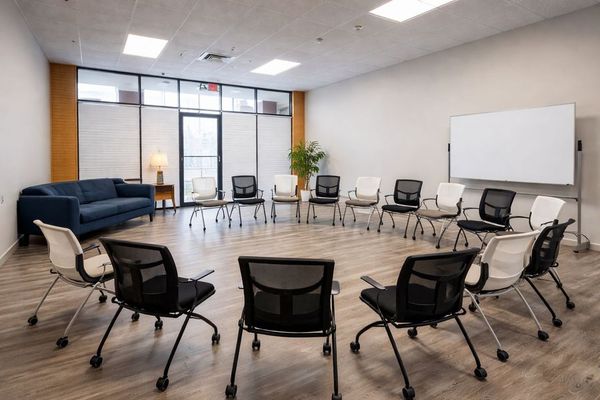
- Group Counseling: Provides a supportive peer environment where individuals can share experiences, practice communication skills, and reduce feelings of isolation.
- Family Support: Programs often include therapy sessions designed to heal relationships and educate loved ones on the dynamics of addiction and recovery.
- Aftercare Planning: Essential for long-term success, this involves creating a strategy for maintaining sobriety post-treatment, including connecting with sober living residences, 12-step programs, and ongoing therapy.
Choosing the Right Level of Care
Treatment is not one-size-fits-all, and different levels of care are available depending on the severity of the addiction and the individual’s environment:
Inpatient/Residential Treatment: Provides the highest level of supervision in a controlled environment, removing the individual from external triggers. This setting allows for intensive, focused therapy.
Outpatient Programs: Offer flexibility for those who must maintain work or family commitments while receiving treatment. Options include Partial Hospitalization Programs (PHPs) and Intensive Outpatient Programs (IOPs), which provide comprehensive therapy during the day or evening.
Frequently Asked Questions (FAQs)
How long does the typical treatment program last?
While lengths vary, most standard residential programs last between 28 and 90 days. However, the duration of effective treatment depends entirely on the individual’s progress and clinical recommendations, with long-term recovery requiring ongoing commitment.
Is insurance accepted for addiction treatment?
Most reputable treatment centers accept various forms of private health insurance. It is advisable to verify coverage directly with the provider, as benefits and out-of-pocket costs can differ significantly based on the policy and the specific program.
What happens if relapse occurs after completing the program?
Relapse is recognized as a potential part of a chronic illness, not a failure. Effective treatment centers emphasize continuous support and aftercare planning, encouraging individuals who experience a relapse to re-engage immediately with their support network, therapists, or return for a brief stay to reinforce skills.
