



Help with addiction starts with one call.

877-922-8999
PersonPersonPerson

Thousands of people helped nationwide.

Collin County MH/MR Center - DBA LifePath Systems

Contact Information
1515 Heritage Drive Suite 105, McKinney, TX, Texas 75069
0.000
Detailed Information

Comprehensive Addiction Treatment Program Overview

Navigating the path to recovery from substance use disorder requires a comprehensive and compassionate approach. A quality addiction treatment program is designed to address not just the physical dependence, but also the underlying mental health and life challenges that often fuel addiction. This process typically begins with a thorough clinical assessment, which helps the treatment team tailor an individualized care plan to meet the unique needs and circumstances of each client. Because addiction is a complex, chronic illness, effective treatment often combines various therapeutic modalities delivered across multiple levels of care.

Levels of Care and Clinical Services

Addiction treatment services are structured to provide continuous support through various stages of recovery, ensuring that clients receive the intensity of care required at different points in their journey. Detoxification is often the critical first step, safely managing withdrawal symptoms under medical supervision. Following stabilization, clients transition into active therapeutic programming.

Core Treatment Components

  • Individual Counseling: One-on-one sessions with a licensed therapist to explore the roots of addiction, develop coping mechanisms, and establish personal goals.
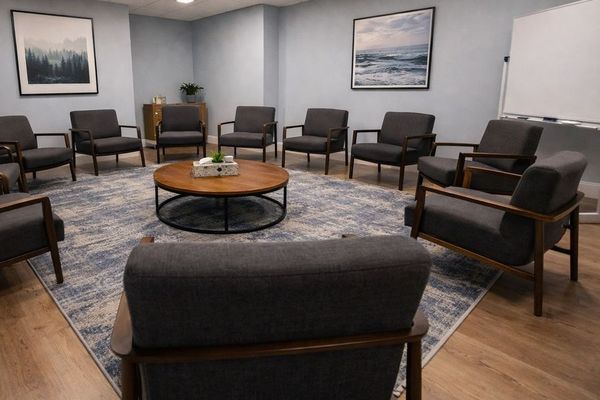
  • Group Therapy: Facilitated discussions that allow clients to share experiences, build community, and learn from peers in a supportive environment.
  • Psychoeducational Groups: Sessions focused on teaching practical skills related to relapse prevention, stress management, and healthy living.
  • Medication-Assisted Treatment (MAT): The use of prescribed medications, in combination with counseling and behavioral therapies, to treat substance use disorders and prevent opioid overdose.

Focus on Holistic and Ongoing Recovery

A truly holistic program recognizes that recovery extends far beyond sobriety. It integrates strategies for overall well-being, addressing co-occurring mental health disorders (dual diagnosis) such as anxiety or depression, which frequently accompany substance use. The goal is to equip individuals with the tools necessary to maintain a fulfilling life post-treatment. This includes family support services, which help loved ones understand the disease of addiction and learn how to heal and support the recovering individual effectively. Continuity of care is paramount, and successful programs emphasize robust aftercare planning, connecting clients with community resources, support groups, and ongoing therapy to sustain long-term recovery and well-being.

Frequently Asked Questions (FAQs)

What is Medication-Assisted Treatment (MAT)?

MAT involves using FDA-approved medications, in combination with counseling and behavioral therapies, to treat substance use disorders. It is clinically proven to reduce cravings, decrease illicit drug use, and increase the likelihood of successful long-term recovery.

How long does the typical treatment program last?

The duration of treatment varies significantly based on individual needs, the severity of the addiction, and the specific level of care required (e.g., residential, intensive outpatient, or outpatient). Clinicians work with clients to determine the optimal length of stay, which may range from several weeks to several months.

Does the program treat underlying mental health issues?

Yes, comprehensive addiction treatment programs specialize in dual diagnosis, meaning they simultaneously treat both the substance use disorder and any co-occurring mental health disorders. This integrated approach is essential for achieving lasting recovery.

Opening Hours
Monday
6:00 am - 10:00 pm
Tuesday
6:00 am - 10:00 pm
Wednesday
6:00 am - 10:00 pm
Thursday
6:00 am - 10:00 pm
Friday
6:00 am - 10:00 pm
Saturday
6:00 am - 10:00 pm
Sunday
6:00 am - 10:00 pm
Type of Care
Substance use treatment
Treatment for co-occurring substance use plus either serious mental health illness in adults/serious emotional disturbance in children
Service Setting
Outpatient
Outpatient methadone/buprenorphine or naltrexone treatment
Regular outpatient treatment
Age Groups Accepted
Young Adults
Adults
Gender Accepted
Female
Male
Payment/Insurance/Funding Accepted
Federal, or any government funding for substance use treatment programs
Medicaid
Cash or self-payment
Payment Assistance Available
Payment assistance (check with facility for details)
Sliding fee scale (fee is based on income and other factors)
Type of Opioid Treatment
Prescribes buprenorphine
Prescribes naltrexone
Accepts clients using MAT but prescribed elsewhere
Opioid Medications used in Treatment
Buprenorphine used in Treatment
Naltrexone used in Treatment
External Opioid Medications Source
In-network prescribing entity
Other contracted prescribing entity
No formal relationship with prescribing entity
Type of Alcohol Use Disorder Treatment
Accepts clients using medication assisted treatment for alcohol use disorder but prescribed elsewhere
This facility administers/prescribes medication for alcohol use disorder
Source of Medications Used for Alcohol Use Disorder Treatment
Other contracted prescribing entity
No formal relationship with prescribing entity
Pharmacotherapies
Buprenorphine with naloxone
Buprenorphine without naloxone
Naltrexone (oral)
Naltrexone (extended-release, injectable)
Medication for mental disorders
Nicotine replacement
Non-nicotine smoking/tobacco cessation
Assessment/Pre-treatment
Comprehensive mental health assessment
Comprehensive substance use assessment
Interim services for clients
Outreach to persons in the community
Screening for tobacco use
Screening for substance use
Screening for mental disorders
Treatment Approaches
Brief intervention
Cognitive behavioral therapy
Contingency management/motivational incentives
Motivational interviewing
Matrix Model
Relapse prevention
Substance use disorder counseling
Trauma-related counseling
Telemedicine/telehealth therapy
Recovery Support Services
Housing services
Assistance with obtaining social services
Recovery coach
Mentoring/peer support
Employment counseling or training
Facility Operation
Local, county, or community government
License/Certification/Accreditation
State substance use treatment agency
State mental health department
State department of health
Special Programs/Groups Offered
Clients with co-occurring mental and substance use disorders
Clients who have experienced trauma
Testing
Breathalyzer or blood alcohol testing
Drug or alcohol urine screening
Transitional Services
Aftercare/continuing care
Discharge Planning
Naloxone and overdose education
Outcome follow-up after discharge
Education and Counseling Services
HIV or AIDS education, counseling, or support
Hepatitis education, counseling, or support
Health education services other than HIV/AIDS or hepatitis
Substance use disorder education
Smoking/vaping/tobacco cessation counseling
Individual counseling
Group counseling
Family counseling
Vocational training or educational support
Facility Smoking Policy
Smoking not permitted
Facility Vaping Policy
Vaping not permitted
Ancillary Services
Case management service
Mental health services
Social skills development
Transportation assistance
Language Services
Sign language services for the deaf and hard of hearing
Find Help (877) 922-8999