



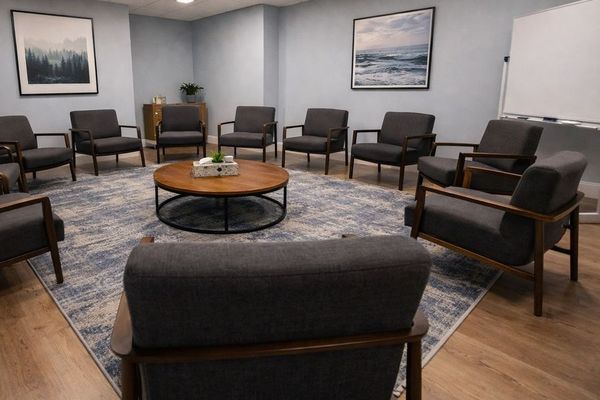
Helen Farabee Centers – Wichita County Behavioral Health Center: Addiction Treatment Services
The Helen Farabee Centers’ Wichita County Behavioral Health Center is a vital resource for individuals seeking recovery from substance use disorders. This facility, located at 500 Broad Street in Wichita Falls, Texas, is committed to offering comprehensive and accessible addiction treatment programs designed to support clients through every stage of their journey toward sobriety. Recognizing that addiction is a complex issue requiring individualized care, the center employs a holistic approach that addresses not only the physical dependency but also the underlying mental health and social factors contributing to substance misuse.
Personalized Treatment Planning
Effective recovery begins with a plan tailored to the unique needs of the individual. At the Helen Farabee Centers, a thorough initial assessment is conducted by experienced clinical professionals. This evaluation helps determine the appropriate level of care and combination of therapies. Treatment modalities often include evidence-based practices such as Cognitive Behavioral Therapy (CBT) and Motivational Interviewing (MI), which help clients identify and modify destructive thought patterns and behaviors. Group counseling and individual therapy sessions form the core of the program, fostering a supportive environment for sharing experiences and developing essential coping mechanisms.
Continuum of Care and Support Services
The path to sustained recovery extends beyond initial treatment. The Wichita County Behavioral Health Center emphasizes a continuum of care, ensuring clients have access to support as they transition back into their community. Services are structured to manage various levels of need, from intensive outpatient programs (IOP) for those requiring significant structure to less intensive options that support ongoing sobriety maintenance. Furthermore, the center often integrates mental health services, recognizing the high correlation between substance use disorders and co-occurring mental illnesses, thereby providing truly integrated behavioral health care.
Support services are critical for long-term success and may include:
- Psychoeducational classes focusing on relapse prevention and healthy lifestyle choices.
- Case management services to assist with housing, employment, and accessing community resources.
- Family support and education to mend relationships and involve loved ones in the recovery process.
- Referrals to peer support groups, such as 12-step programs, which provide ongoing fellowship and encouragement.
Commitment to Community Health
As a community-focused behavioral health center, the Helen Farabee Centers play a crucial role in improving the well-being of Wichita Falls residents. The addiction treatment program is delivered by licensed and compassionate staff dedicated to providing respectful care. By prioritizing accessibility and comprehensive services, the center strives to break down barriers to treatment, helping individuals reclaim their lives and foster a healthier community.
FAQs
What types of substance use disorders does the center treat?
The center typically provides treatment for a wide range of substance use disorders, including but not limited to alcohol, opioids, stimulants, and prescription medication misuse, adapting clinical interventions based on the client’s primary substance of concern.
Do I need insurance to receive services?
While the center accepts various forms of insurance, as a public behavioral health center, it often offers services on a sliding fee scale or through state funding options to ensure care is accessible regardless of a person’s financial situation.
How long does the average treatment program last?
The duration of treatment varies significantly per individual, depending on their assessment, the severity of their condition, and the level of care required. Treatment is generally phased and measured by the client’s progress toward individualized recovery goals rather than a fixed timeline.
