



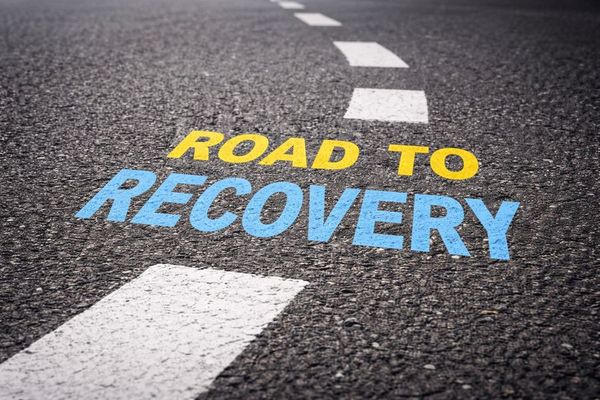
Finding Hope and Healing: A Comprehensive Overview of Addiction Treatment
Addiction is a complex, chronic disease that affects millions of people and their families. Overcoming substance use disorder requires professional, evidence-based care tailored to the individual’s unique needs and circumstances. A comprehensive addiction treatment program is designed to guide individuals through the critical steps of recovery, from detoxification and stabilization to long-term sobriety and relapse prevention.
The Foundation of Treatment: Assessment and Detoxification
Every successful recovery journey begins with a thorough clinical assessment. This initial evaluation helps determine the severity of the addiction, identify any co-occurring mental health disorders (dual diagnosis), and tailor a personalized treatment plan. For many, the first necessary step is medically supervised detoxification. During detox, patients are safely managed through withdrawal symptoms in a controlled, supportive environment, ensuring physical stability before engaging in therapeutic modalities.
Therapeutic Modalities and Individualized Care
The core of addiction treatment lies in therapy. Programs utilize a combination of proven techniques focused on changing behaviors, thoughts, and emotional responses related to substance use. Cognitive Behavioral Therapy (CBT) and Dialectical Behavior Therapy (DBT) are cornerstones, helping participants develop coping mechanisms and distress tolerance. Group therapy provides a vital community element, fostering peer support and reducing feelings of isolation. Treatment may be offered across several levels of care, including:
- Residential Treatment (Inpatient)
- Partial Hospitalization Programs (PHP)
- Intensive Outpatient Programs (IOP)
- Standard Outpatient Services
Additionally, services often integrate holistic approaches such as nutritional counseling, mindfulness practices, and family therapy. Family involvement is crucial for long-term success, helping to repair relationships and educate loved ones on how to best support the individual in recovery.
Building Sustainable Sobriety
Recovery is a continuous process that extends far beyond the clinical setting. A high-quality program emphasizes robust aftercare planning. This involves connecting patients with essential resources needed to maintain sobriety in everyday life, including support groups like 12-step fellowships, sober living arrangements, vocational training, and ongoing individual counseling. Relapse prevention education is a key focus, equipping individuals with strategies to manage triggers and stressors and ensuring a smooth transition back into their community.
Frequently Asked Questions
How long does addiction treatment typically last?
The duration varies significantly based on the individual’s needs, the severity of the addiction, and the level of care. While detox may last a few days, comprehensive residential or outpatient programs often span 30, 60, or 90 days, followed by continuous aftercare.
Does insurance cover the cost of addiction treatment?
Most health insurance plans, including those offered through the Affordable Care Act (ACA), are legally required to cover mental health and substance use disorder treatment. Coverage details vary, so it is best to verify benefits directly with the treatment center and insurance provider.
What happens if a relapse occurs?
Relapse is considered a setback, not a failure, in the chronic disease model of addiction. Quality programs incorporate relapse prevention into their curriculum and offer immediate support and re-entry options to help individuals get back on track with their recovery goals.
