



Help with addiction starts with one call.

877-922-8999
PersonPersonPerson

Thousands of people helped nationwide.

MFI Recovery Center - Sunrise House

Open Now
Contact Information
43250 Midnight Court, Banning, CA, California 92220
0.000
Detailed Information

MFI Recovery Center – Sunrise House: Comprehensive Men’s Residential Treatment in Banning, CA

MFI Recovery Center’s Sunrise House, situated at 43250 Midnight Court in Banning, CA, offers an integrated and intimate residential treatment experience specifically tailored for men overcoming substance use disorders and co-occurring mental health conditions. Understanding that addiction and mental health are frequently intertwined, the center utilizes a holistic approach to healing, addressing both physical and behavioral issues simultaneously to promote long-lasting recovery.

Integrated and Personalized Care Approach

The program at Sunrise House emphasizes individualized treatment plans, ensuring that care is specifically designed to meet each client’s unique needs. Treatment focuses on a dual diagnosis approach, meaning conditions such as anxiety, depression, and bipolar disorder are treated concurrently with substance use issues (including addiction to alcohol, cocaine, and other drugs). This integrated care model is delivered by a team of mental health professionals who provide evidence-based and trauma-focused therapies.

Program Highlights and Setting

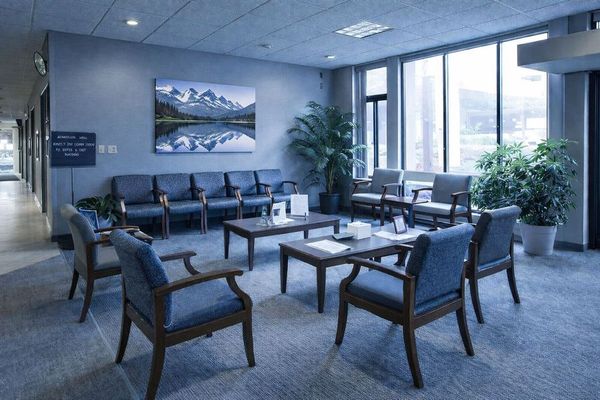
The facility itself is designed as a modern, home-like environment, fostering a small and intimate setting. This approach allows clients to work closely with staff and peers, facilitating deeper therapeutic engagement. The primary level of care offered is residential treatment, often spanning 30 days. Key components of the program include:

  • Individualized treatment and recovery planning.
  • Primary medical care services.
  • Monitoring by psychiatrists for mental health symptoms.
  • Evidence-based and trauma-specific therapies.
  • Utilization of 12-Step programming.

By focusing on comprehensive, integrated care, MFI Recovery Center – Sunrise House aims to equip clients with the tools necessary to manage both their substance use disorder and any underlying mental health issues, setting the foundation for successful long-term sobriety.

Frequently Asked Questions

What conditions does the Sunrise House treat?

The center treats substance use disorders and co-occurring mental health conditions, including anxiety, depression, bipolar disorder, and various drug and alcohol addictions.

Is this program available to both men and women?

No, the MFI Recovery Center – Sunrise House program is specifically designed to meet the unique needs of men.

What is the typical duration of the residential program?

While treatment is individualized, the primary level of care often involves a residential stay of approximately 30 days.

Does the center accept insurance?

Yes, MFI Recovery Center – Sunrise House accepts several insurance plans. It is recommended to contact the center directly to verify coverage details.

Opening Hours
Monday
6:00 am - 10:00 pm
Tuesday
6:00 am - 10:00 pm
Wednesday
6:00 am - 10:00 pm
Thursday
6:00 am - 10:00 pm
Friday
6:00 am - 10:00 pm
Saturday
6:00 am - 10:00 pm
Sunday
6:00 am - 10:00 pm
Type of Care
Substance use treatment
Detoxification
Treatment for co-occurring substance use plus either serious mental health illness in adults/serious emotional disturbance in children
Service Setting
Outpatient
Outpatient detoxification
Outpatient methadone/buprenorphine or naltrexone treatment
Regular outpatient treatment
Age Groups Accepted
Young Adults
Adults
Gender Accepted
Female
Male
Payment/Insurance/Funding Accepted
Federal, or any government funding for substance use treatment programs
IHS/Tribal/Urban (ITU) funds
Medicaid
Federal military insurance (e.g. TRICARE)
Private health insurance
Cash or self-payment
State-financed health insurance plan other than Medicaid
SAMHSA funding/block grants
Payment Assistance Available
Payment assistance (check with facility for details)
Sliding fee scale (fee is based on income and other factors)
Detoxification (medical withdrawal) Services
Alcohol Detoxification
Benzodiazepines Detoxification
Cocaine Detoxification
Methamphetamines detoxification
Opioids detoxification
Medication routinely used during detoxification
Type of Opioid Treatment
Buprenorphine maintenance
Prescribes buprenorphine
Prescribes naltrexone
Accepts clients using MAT but prescribed elsewhere
Maintenance service with medically supervised withdrawal after stabilization
Opioid Medications used in Treatment
Buprenorphine used in Treatment
Naltrexone used in Treatment
External Opioid Medications Source
In-network prescribing entity
Type of Alcohol Use Disorder Treatment
Accepts clients using medication assisted treatment for alcohol use disorder but prescribed elsewhere
This facility administers/prescribes medication for alcohol use disorder
Source of Medications Used for Alcohol Use Disorder Treatment
In-network prescribing entity
Pharmacotherapies
Acamprosate (Campral®)
Disulfiram
Buprenorphine with naloxone
Buprenorphine without naloxone
Buprenorphine (extended-release, injectable)
Naltrexone (oral)
Naltrexone (extended-release, injectable)
Clonidine
Medication for mental disorders
Nicotine replacement
Assessment/Pre-treatment
Comprehensive mental health assessment
Comprehensive substance use assessment
Outreach to persons in the community
Complete medical history/physical exam
Screening for tobacco use
Screening for substance use
Screening for mental disorders
Treatment Approaches
Anger management
Brief intervention
Cognitive behavioral therapy
Contingency management/motivational incentives
Community reinforcement plus vouchers
Motivational interviewing
Matrix Model
Relapse prevention
Substance use disorder counseling
Trauma-related counseling
Telemedicine/telehealth therapy
12-step facilitation
Recovery Support Services
Self-help groups
Housing services
Assistance with obtaining social services
Mentoring/peer support
Employment counseling or training
Facility Operation
Private non-profit organization
License/Certification/Accreditation
State substance use treatment agency
Commission on Accreditation of Rehabilitation Facilities (CARF)
Drug Enforcement Agency (DEA)
Special Programs/Groups Offered
Young adults
Adult women
Pregnant/postpartum women
Adult men
Seniors or older adults
Lesbian, gay, bisexual, transgender, or queer/questioning (LGBTQ)
Veterans
Criminal justice (other than DUI/DWI)/Forensic clients
Clients with co-occurring mental and substance use disorders
Clients with co-occurring pain and substance use disorders
Clients with HIV or AIDS
Clients who have experienced sexual abuse
Clients who have experienced intimate partner violence, domestic violence
Clients who have experienced trauma
Testing
Breathalyzer or blood alcohol testing
Drug and alcohol oral fluid testing
Drug or alcohol urine screening
HIV testing
STD testing
TB screening
Metabolic syndrome monitoring
Testing for Hepatitis B (HBV)
Testing for Hepatitis C (HCV)
Transitional Services
Aftercare/continuing care
Discharge Planning
Naloxone and overdose education
Outcome follow-up after discharge
Education and Counseling Services
HIV or AIDS education, counseling, or support
Hepatitis education, counseling, or support
Health education services other than HIV/AIDS or hepatitis
Substance use disorder education
Individual counseling
Group counseling
Family counseling
Marital/couples counseling
Vocational training or educational support
Facility Smoking Policy
Smoking permitted in designated area
Facility Vaping Policy
Vaping permitted in designated area
Ancillary Services
Case management service
Domestic violence services, including family or partner
Early intervention for HIV
Mental health services
Social skills development
Language Services
Sign language services for the deaf and hard of hearing
Find Help (877) 922-8999