



Help with addiction starts with one call.

877-922-8999
PersonPersonPerson

Thousands of people helped nationwide.

Hathaway Recovery

Contact Information
1042 East Belmont Abbey Lane, Claremont, CA, California 91711
0.000
Detailed Information

Hathaway Recovery: Compassionate Care in Claremont, CA

Hathaway Recovery, situated at 1042 East Belmont Abbey Lane in Claremont, CA, is a dedicated treatment center focused on helping individuals overcome substance use disorders and co-occurring mental health conditions. Understanding that addiction is often complex and multifaceted, the facility offers personalized, compassionate care aimed at comprehensive healing for every client.

Program Overview and Levels of Care

The primary level of care offered at Hathaway Recovery is Residential treatment. This intensive setting provides 24/7 monitoring and care, typically lasting around 30 days. This focused approach allows clients to fully immerse themselves in recovery, away from external triggers, ensuring a foundation of stability before transitioning to lower levels of care. The treatment plans are designed to address both substance use and any co-occurring mental health issues simultaneously, recognizing the critical link between the two for sustainable recovery.

Therapeutic Modalities

Hathaway Recovery utilizes a variety of evidence-based therapies and counseling methods to treat substance use disorders. These modalities are designed to help clients understand the root causes of their addiction and develop practical coping mechanisms for lasting sobriety. Key services and therapies include:

  • Individual Counseling
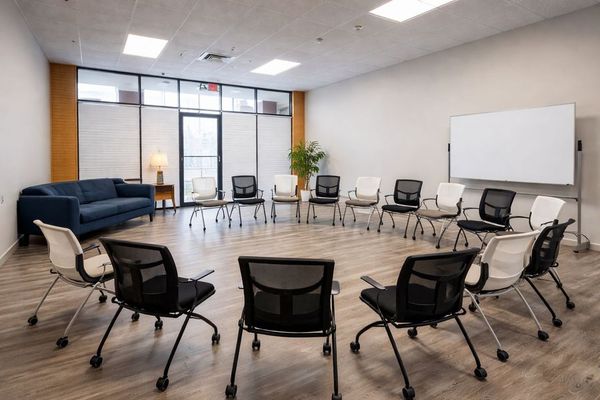
  • Group Counseling
  • Family Counseling and Couples Counseling
  • Cognitive Behavioral Therapy (CBT)
  • Motivational Interviewing
  • Contingency Management
  • Brief Intervention
  • Anger Management

The facility emphasizes counseling as a core component of treatment, aiding clients in creating essential tools to navigate life in recovery. With multiple accreditations, Hathaway Recovery maintains a high standard of clinical excellence and patient care, demonstrating a commitment to positive outcomes.

Frequently Asked Questions

What types of conditions does Hathaway Recovery treat?

Hathaway Recovery primarily treats substance use disorders and co-occurring mental health conditions, utilizing an integrated approach to address both simultaneously.

What is the typical length of stay for residential treatment?

Residential treatment at this facility is typically around 30 days, offering intensive care with round-the-clock monitoring.

Does Hathaway Recovery involve family in the treatment process?

Yes, the center provides family counseling and couples counseling as part of its comprehensive treatment services, recognizing the importance of support systems in recovery.

Opening Hours
Monday
6:00 am - 10:00 pm
Tuesday
6:00 am - 10:00 pm
Wednesday
6:00 am - 10:00 pm
Thursday
6:00 am - 10:00 pm
Friday
6:00 am - 10:00 pm
Saturday
6:00 am - 10:00 pm
Sunday
6:00 am - 10:00 pm
Type of Care
Substance use treatment
Detoxification
Treatment for co-occurring substance use plus either serious mental health illness in adults/serious emotional disturbance in children
Service Setting
Outpatient
Outpatient detoxification
Outpatient methadone/buprenorphine or naltrexone treatment
Regular outpatient treatment
Age Groups Accepted
Young Adults
Adults
Gender Accepted
Female
Male
Payment/Insurance/Funding Accepted
Federal military insurance (e.g. TRICARE)
Private health insurance
Cash or self-payment
Detoxification (medical withdrawal) Services
Alcohol Detoxification
Benzodiazepines Detoxification
Cocaine Detoxification
Methamphetamines detoxification
Opioids detoxification
Medication routinely used during detoxification
Type of Opioid Treatment
Buprenorphine detoxification
Prescribes buprenorphine
Prescribes naltrexone
Relapse prevention with naltrexone
Lofexidine or Clonidine detoxification
Maintenance service with medically supervised withdrawal after stabilization
Opioid Medications used in Treatment
Buprenorphine used in Treatment
Naltrexone used in Treatment
Type of Alcohol Use Disorder Treatment
This facility administers/prescribes medication for alcohol use disorder
Source of Medications Used for Alcohol Use Disorder Treatment
In-network prescribing entity
Pharmacotherapies
Acamprosate (Campral®)
Disulfiram
Buprenorphine with naloxone
Buprenorphine without naloxone
Buprenorphine (extended-release, injectable)
Naltrexone (oral)
Naltrexone (extended-release, injectable)
Lofexidine
Clonidine
Medication for mental disorders
Nicotine replacement
Non-nicotine smoking/tobacco cessation
Assessment/Pre-treatment
Comprehensive mental health assessment
Comprehensive substance use assessment
Interim services for clients
Outreach to persons in the community
Complete medical history/physical exam
Screening for tobacco use
Screening for substance use
Screening for mental disorders
Professional interventionist/educational consultant
Treatment Approaches
Anger management
Brief intervention
Cognitive behavioral therapy
Contingency management/motivational incentives
Motivational interviewing
Matrix Model
Relapse prevention
Substance use disorder counseling
Trauma-related counseling
Telemedicine/telehealth therapy
12-step facilitation
Recovery Support Services
Self-help groups
Housing services
Assistance with obtaining social services
Recovery coach
Mentoring/peer support
Employment counseling or training
Facility Operation
Private for-profit organization
License/Certification/Accreditation
State department of health
Commission on Accreditation of Rehabilitation Facilities (CARF)
The Joint Commission
Special Programs/Groups Offered
Young adults
Adult women
Pregnant/postpartum women
Adult men
Seniors or older adults
Lesbian, gay, bisexual, transgender, or queer/questioning (LGBTQ)
Veterans
Active duty military
Members of military families
Criminal justice (other than DUI/DWI)/Forensic clients
Clients with co-occurring mental and substance use disorders
Clients with co-occurring pain and substance use disorders
Clients with HIV or AIDS
Clients who have experienced sexual abuse
Clients who have experienced intimate partner violence, domestic violence
Clients who have experienced trauma
Testing
Breathalyzer or blood alcohol testing
Drug and alcohol oral fluid testing
Drug or alcohol urine screening
HIV testing
STD testing
TB screening
Metabolic syndrome monitoring
Testing for Hepatitis B (HBV)
Testing for Hepatitis C (HCV)
Transitional Services
Aftercare/continuing care
Discharge Planning
Naloxone and overdose education
Outcome follow-up after discharge
Other Services
Treatment for other addiction disorder
Education and Counseling Services
HIV or AIDS education, counseling, or support
Hepatitis education, counseling, or support
Health education services other than HIV/AIDS or hepatitis
Substance use disorder education
Smoking/vaping/tobacco cessation counseling
Individual counseling
Group counseling
Family counseling
Marital/couples counseling
Vocational training or educational support
Facility Smoking Policy
Smoking permitted in designated area
Facility Vaping Policy
Vaping not permitted
Ancillary Services
Case management service
Domestic violence services, including family or partner
Early intervention for HIV
Mental health services
Social skills development
Language Services
Spanish
Sign language services for the deaf and hard of hearing
Other languages (excluding Spanish)
Other Languages
Farsi
Hebrew
Russian
Find Help (877) 922-8999