



Residential Addiction Treatment: Finding Your Path to Recovery
Seeking help for addiction is a brave and pivotal step toward a healthier life. Residential addiction treatment programs offer a structured, supportive environment away from daily stressors and triggers, allowing individuals to focus entirely on their recovery journey. Located in peaceful areas, like the facility on Pulgas Avenue in Palo Alto, California, these centers provide comprehensive care designed to address the physical, psychological, and emotional aspects of substance use disorder.
A Holistic Approach to Healing
Effective residential treatment goes beyond simply stopping substance use; it aims for deep, lasting transformation. Programs typically integrate a variety of evidence-based therapies and holistic practices tailored to the individual’s unique needs. This personalized care model ensures that underlying issues contributing to the addiction are identified and addressed, setting a strong foundation for sobriety.
Core Components of Treatment
While specific offerings vary by facility, most reputable residential programs include a consistent set of services crucial for recovery:
- Medically Supervised Detoxification: Ensuring a safe and comfortable withdrawal process.
- Individual Counseling: One-on-one sessions with licensed therapists to explore personal challenges and develop coping mechanisms.
- Group Therapy: Peer support and shared experiences that foster connection and accountability.
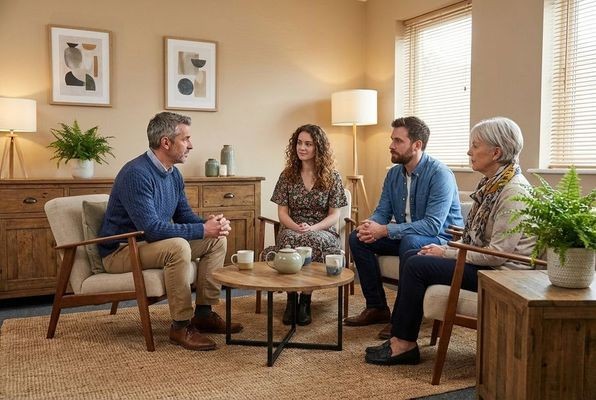
- Family Programming: Educational sessions and therapy to repair relationships and build a supportive home environment.
- Aftercare Planning: Creating a detailed strategy for continued sobriety after leaving the residential setting.
The Residential Advantage
Choosing a residential program offers distinct benefits compared to outpatient alternatives. The 24/7 care and structured daily schedule minimize exposure to the environmental factors that fueled the addiction. Residents participate in intensive therapy, educational workshops, and wellness activities, which often include mindfulness practices, nutritional guidance, and physical fitness. This immersion allows for total concentration on therapeutic goals, building the necessary tools and resilience for long-term recovery.
Frequently Asked Questions
What is the typical length of a residential program?
While program lengths vary widely based on individual needs, common residential stays are 30, 60, or 90 days. The clinical team will recommend a duration based on the severity of the addiction and the progress made during treatment.
Can I have visitors while in residential treatment?
Most residential programs permit visitors, but usually only after an initial stabilization period. Visits are typically scheduled and monitored to ensure they support the therapeutic process for all residents.
Does insurance cover residential addiction treatment?
Many insurance plans, including PPO and HMO policies, offer coverage for residential addiction treatment services, though coverage levels vary. It is always recommended to verify benefits directly with the facility and the insurance provider.
