



Help with addiction starts with one call.

877-922-8999
PersonPersonPerson

Thousands of people helped nationwide.

Veterans Affairs Medical Center - Substance Abuse Recovery Program

Contact Information
50 Irving Street NW 3-C North Unit 116-A, Washington, DC, District of Columbia 20422
0.000
Detailed Information

Veterans Affairs Medical Center – Substance Abuse Recovery Program

Located in the heart of Washington D.C., the Veterans Affairs Medical Center (VAMC) offers a comprehensive Substance Abuse Recovery Program designed specifically to meet the unique needs of America’s veterans. Understanding the complex challenges that can accompany military service, this program provides a supportive and structured environment where veterans can address issues related to substance use disorders.

A Mission-Driven Approach to Recovery

The VAMC Substance Abuse Recovery Program is rooted in a commitment to holistic healing. It recognizes that recovery extends beyond simply stopping substance use; it involves addressing co-occurring mental health issues, trauma, and social challenges that often contribute to addiction. The program utilizes evidence-based therapies and personalized treatment plans, ensuring that each veteran receives care tailored to their individual history and goals.

Treatment Services Offered

Treatment modalities are varied and intensive, aiming for long-term sobriety and improved quality of life. Services are delivered by a dedicated team of professionals, including addiction specialists, psychiatrists, and social workers.

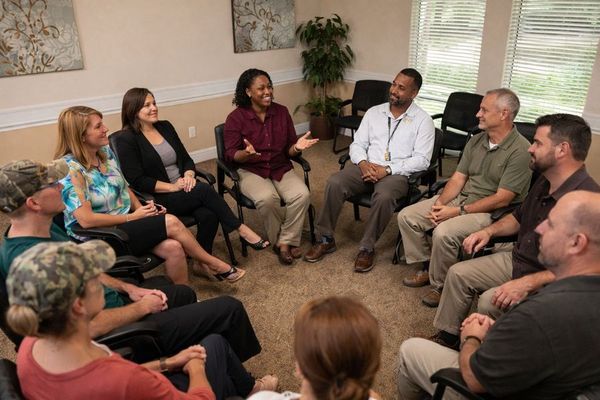
  • Individual and Group Therapy
  • Cognitive Behavioral Therapy (CBT) and Motivational Interviewing (MI)
  • Medication-Assisted Treatment (MAT)
  • Trauma-Informed Care
  • Psychoeducation and Relapse Prevention Planning
  • Coordination with VA Primary Care and Mental Health Services

The facility is located at 50 Irving Street NW 3-C North, Washington DC, providing convenient access for veterans seeking vital recovery services in the capital region.

Focus on Veteran-Specific Challenges

Many veterans face elevated rates of Post-Traumatic Stress Disorder (PTSD) and chronic pain, both of which can be intricately linked to substance misuse. The VAMC program places a strong emphasis on integrating mental health treatment with addiction recovery. By treating the underlying conditions alongside the substance use disorder, the program significantly increases the likelihood of sustainable recovery and helps veterans transition successfully back into civilian life.

Frequently Asked Questions

What types of substances does the program treat?

The program treats a wide range of substance use disorders, including those related to alcohol, opioids, prescription medications, and other illicit drugs.

Do I need to be enrolled in VA healthcare to access this program?

Generally, enrollment in the VA healthcare system is required to access the specialized substance abuse treatment services provided at the VAMC.

How long does the Substance Abuse Recovery Program last?

The duration of treatment varies greatly depending on the individual veteran’s clinical needs, the severity of the addiction, and the specific level of care recommended by the treatment team.

Does the program offer residential treatment?

The specific levels of care available, such as inpatient, residential, or intensive outpatient programs, should be confirmed by contacting the Veterans Affairs Medical Center directly.

Opening Hours
Monday
6:00 am - 10:00 pm
Tuesday
6:00 am - 10:00 pm
Wednesday
6:00 am - 10:00 pm
Thursday
6:00 am - 10:00 pm
Friday
6:00 am - 10:00 pm
Saturday
6:00 am - 10:00 pm
Sunday
6:00 am - 10:00 pm
Type of Care
Substance use treatment
Detoxification
Treatment for co-occurring substance use plus either serious mental health illness in adults/serious emotional disturbance in children
Service Setting
Outpatient
Outpatient methadone/buprenorphine or naltrexone treatment
Regular outpatient treatment
Hospitals
General Hospital (including VA hospital)
Age Groups Accepted
Young Adults
Adults
Gender Accepted
Female
Male
Payment/Insurance/Funding Accepted
Federal, or any government funding for substance use treatment programs
Medicare
Medicaid
Private health insurance
Cash or self-payment
Detoxification (medical withdrawal) Services
Alcohol Detoxification
Benzodiazepines Detoxification
Cocaine Detoxification
Methamphetamines detoxification
Opioids detoxification
Medication routinely used during detoxification
Type of Opioid Treatment
Buprenorphine detoxification
Buprenorphine maintenance
Federally-certified Opioid Treatment Program
Methadone detoxification
Methadone maintenance
Prescribes buprenorphine
Prescribes naltrexone
Relapse prevention with naltrexone
Accepts clients using MAT but prescribed elsewhere
Maintenance service with medically supervised withdrawal after stabilization
Opioid Medications used in Treatment
Methadone used in Treatment
Buprenorphine used in Treatment
Naltrexone used in Treatment
External Opioid Medications Source
In-network prescribing entity
Type of Alcohol Use Disorder Treatment
This facility administers/prescribes medication for alcohol use disorder
Source of Medications Used for Alcohol Use Disorder Treatment
In-network prescribing entity
Pharmacotherapies
Acamprosate (Campral®)
Disulfiram
Methadone
Buprenorphine with naloxone
Buprenorphine without naloxone
Buprenorphine (extended-release, injectable)
Naltrexone (oral)
Naltrexone (extended-release, injectable)
Medications for HIV treatment
Clonidine
Medication for mental disorders
Nicotine replacement
Non-nicotine smoking/tobacco cessation
Assessment/Pre-treatment
Comprehensive mental health assessment
Comprehensive substance use assessment
Outreach to persons in the community
Complete medical history/physical exam
Screening for tobacco use
Screening for substance use
Screening for mental disorders
Professional interventionist/educational consultant
Treatment Approaches
Anger management
Brief intervention
Cognitive behavioral therapy
Contingency management/motivational incentives
Motivational interviewing
Matrix Model
Relapse prevention
Substance use disorder counseling
Trauma-related counseling
Telemedicine/telehealth therapy
12-step facilitation
Recovery Support Services
Mentoring/peer support
Facility Operation
Federal Government
U.S. Department of Veterans Affairs
License/Certification/Accreditation
The Joint Commission
Federally Qualified Health Center
SAMHSA certification for opioid treatment program (OTP)
Drug Enforcement Agency (DEA)
Special Programs/Groups Offered
Pregnant/postpartum women
Adult men
Seniors or older adults
Lesbian, gay, bisexual, transgender, or queer/questioning (LGBTQ)
Veterans
Clients with co-occurring pain and substance use disorders
Clients who have experienced sexual abuse
Testing
Breathalyzer or blood alcohol testing
Drug and alcohol oral fluid testing
Drug or alcohol urine screening
HIV testing
TB screening
Metabolic syndrome monitoring
Testing for Hepatitis C (HCV)
Transitional Services
Aftercare/continuing care
Discharge Planning
Naloxone and overdose education
Outcome follow-up after discharge
Other Services
Treatment for gambling disorder
Education and Counseling Services
HIV or AIDS education, counseling, or support
Hepatitis education, counseling, or support
Health education services other than HIV/AIDS or hepatitis
Substance use disorder education
Smoking/vaping/tobacco cessation counseling
Individual counseling
Group counseling
Family counseling
Medical Services
Hepatitis A (HAV) vaccination
Hepatitis B (HBV) vaccination
Facility Smoking Policy
Smoking not permitted
Facility Vaping Policy
Vaping not permitted
Ancillary Services
Acupuncture
Case management service
Domestic violence services, including family or partner
Mental health services
Transportation assistance
Integrated primary care services
Find Help (877) 922-8999