



Help with addiction starts with one call.

877-922-8999
PersonPersonPerson

Thousands of people helped nationwide.

Wellspring Inc - Mens Residential Program

Contact Information
98 Cumberland Street, Bangor, ME, Maine 04401
0.000
Detailed Information

Wellspring Inc – Men’s Residential Program: A Path to Recovery in Bangor, ME

Wellspring Inc.’s Men’s Residential Program, located at 98 Cumberland Street in Bangor, ME, offers a structured and supportive environment specifically designed for adult men seeking recovery from substance use disorders. This program is rooted in the belief that lasting sobriety is achievable through comprehensive treatment that addresses the physical, emotional, and social aspects of addiction. The residential setting removes individuals from triggering environments, allowing them to focus entirely on healing and developing essential coping skills for long-term recovery.

Holistic Treatment Approach

The core philosophy of the Wellspring residential program integrates evidence-based therapeutic modalities with peer support and skill-building workshops. Treatment plans are highly individualized, ensuring that each man receives care tailored to his unique history, needs, and goals. The daily structure promotes responsibility, accountability, and community engagement, which are vital components of successful rehabilitation.

Program Components

The program utilizes a multi-faceted approach, incorporating several key elements into the treatment regimen:

  • Individual Counseling: One-on-one sessions with licensed clinicians to explore underlying issues, trauma, and personal triggers.
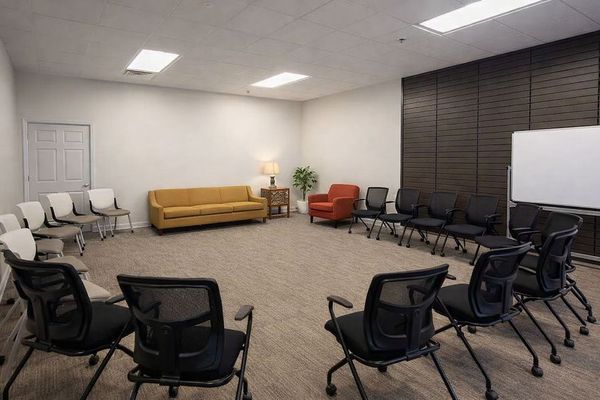
  • Group Therapy: Facilitated discussions covering topics such as relapse prevention, emotional regulation, and healthy communication.
  • Life Skills Training: Workshops focused on practical skills necessary for independent living, including financial management, job readiness, and stress reduction.
  • 12-Step Integration: Encouraging active participation in 12-Step programs to build a strong foundation of continued support post-residency.
  • Recreational Activities: Structured opportunities for exercise and healthy leisure to promote overall well-being.

Fostering a Supportive Community

A crucial element of the Wellspring Men’s Residential Program is the development of a strong, sober peer community. Living together in a structured setting encourages mutual support, shared experiences, and accountability among residents. This environment helps men rebuild trust, learn to relate positively to others, and practice the principles of recovery in real-time before transitioning back to independent living.

FAQs

What is the typical length of stay at the Men’s Residential Program?

The typical length of stay varies depending on the individual’s progress and clinical recommendations, but programs often range from 30 to 90 days, or longer if clinically necessary to ensure a stable foundation for recovery.

Does Wellspring accept insurance for treatment?

Wellspring works with various insurance providers, and prospective residents are encouraged to contact the facility directly to discuss coverage verification and financing options.

Are residents allowed visitors during their stay?

Yes, visitation is typically allowed, though it is often structured and occurs after an initial stabilization period to maintain the focus and integrity of the early treatment phase. Specific rules regarding visitation schedules and policies are provided upon admission.

Opening Hours
Monday
6:00 am - 10:00 pm
Tuesday
6:00 am - 10:00 pm
Wednesday
6:00 am - 10:00 pm
Thursday
6:00 am - 10:00 pm
Friday
6:00 am - 10:00 pm
Saturday
6:00 am - 10:00 pm
Sunday
6:00 am - 10:00 pm
Type of Care
Substance use treatment
Transitional housing, halfway house, or sober home
Treatment for co-occurring substance use plus either serious mental health illness in adults/serious emotional disturbance in children
Service Setting
Outpatient
Residential/24-hour residential
Outpatient day treatment or partial hospitalization
Intensive outpatient treatment
Regular outpatient treatment
Long-term residential
Short-term residential
Age Groups Accepted
Young Adults
Adults
Gender Accepted
Male
Payment/Insurance/Funding Accepted
Federal, or any government funding for substance use treatment programs
IHS/Tribal/Urban (ITU) funds
Medicare
Medicaid
Federal military insurance (e.g. TRICARE)
Private health insurance
Cash or self-payment
SAMHSA funding/block grants
Type of Opioid Treatment
Accepts clients using MAT but prescribed elsewhere
Opioid Medications used in Treatment
Buprenorphine used in Treatment
External Opioid Medications Source
Other contracted prescribing entity
Type of Alcohol Use Disorder Treatment
Accepts clients using medication assisted treatment for alcohol use disorder but prescribed elsewhere
Source of Medications Used for Alcohol Use Disorder Treatment
Other contracted prescribing entity
No formal relationship with prescribing entity
Assessment/Pre-treatment
Comprehensive mental health assessment
Comprehensive substance use assessment
Interim services for clients
Complete medical history/physical exam
Screening for tobacco use
Screening for substance use
Screening for mental disorders
Professional interventionist/educational consultant
Treatment Approaches
Anger management
Cognitive behavioral therapy
Contingency management/motivational incentives
Motivational interviewing
Matrix Model
Relapse prevention
Substance use disorder counseling
Recovery Support Services
Housing services
Assistance with obtaining social services
Mentoring/peer support
Employment counseling or training
Facility Operation
Private non-profit organization
License/Certification/Accreditation
State substance use treatment agency
State department of health
Special Programs/Groups Offered
Adult men
Criminal justice (other than DUI/DWI)/Forensic clients
Clients with co-occurring mental and substance use disorders
Testing
Drug and alcohol oral fluid testing
Drug or alcohol urine screening
Transitional Services
Aftercare/continuing care
Discharge Planning
Naloxone and overdose education
Outcome follow-up after discharge
Other Services
Treatment for other addiction disorder
Education and Counseling Services
HIV or AIDS education, counseling, or support
Hepatitis education, counseling, or support
Health education services other than HIV/AIDS or hepatitis
Substance use disorder education
Individual counseling
Group counseling
Family counseling
Marital/couples counseling
Facility Smoking Policy
Smoking permitted in designated area
Facility Vaping Policy
Vaping not permitted
Ancillary Services
Case management service
Domestic violence services, including family or partner
Early intervention for HIV
Mental health services
Social skills development
Transportation assistance
Integrated primary care services
Find Help (877) 922-8999