



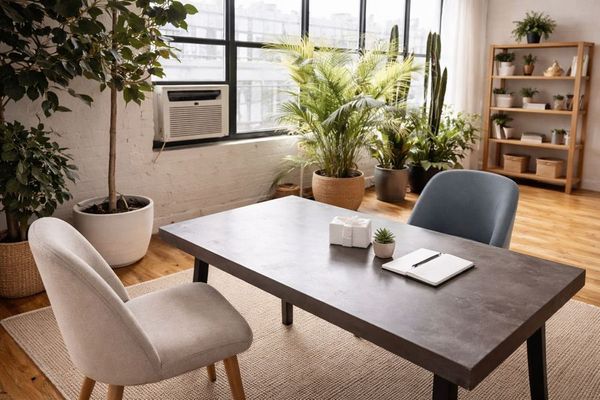
Carolyn Curtis, LCSW LADC: Compassionate Support for Addiction Recovery
Located in the scenic coastal community of Cape Porpoise, Maine, Carolyn Curtis, LCSW LADC, offers professional and individualized treatment for individuals navigating substance use disorders and co-occurring mental health challenges. As a Licensed Clinical Social Worker (LCSW) and a Licensed Alcohol and Drug Counselor (LADC), Ms. Curtis is uniquely credentialed to address the complex psychological, emotional, and social factors that contribute to addiction.
The practice is dedicated to fostering a safe, confidential, and non-judgmental environment where clients can explore the roots of their addiction and develop sustainable strategies for long-term sobriety. The approach emphasizes therapeutic alliance and empowers clients to take an active role in their healing journey.
Individualized Treatment Philosophy
Recognizing that addiction is a deeply personal experience, the core of the program lies in creating highly personalized treatment plans. Instead of a one-size-fits-all methodology, Ms. Curtis utilizes a diverse set of evidence-based modalities tailored to meet each client’s specific needs and recovery goals. Treatment often evolves as clients progress, ensuring the highest relevance and efficacy.
Commonly integrated therapeutic modalities include:
- Cognitive Behavioral Therapy (CBT)
- Dialectical Behavior Therapy (DBT) skills training
- Motivational Interviewing (MI)
- Trauma-informed care principles
- Relapse prevention planning
Comprehensive Care and Support
The services offered extend beyond primary addiction counseling. By holding both LCSW and LADC certifications, Ms. Curtis provides integrated care that addresses both substance use and underlying mental health issues such as anxiety, depression, or trauma. This holistic approach is crucial, as dual diagnoses are highly prevalent in the recovery community and require simultaneous attention for effective outcomes.
The practice is committed to supporting clients through every phase of recovery, from initial sobriety maintenance to integrating a sober lifestyle into everyday life. Emphasis is placed on developing robust coping mechanisms, improving self-esteem, and rebuilding healthy interpersonal relationships.
FAQs About Addiction Treatment
What is the difference between an LCSW and an LADC?
An LCSW (Licensed Clinical Social Worker) is trained to diagnose and treat mental, behavioral, and emotional issues, often providing psychotherapy. An LADC (Licensed Alcohol and Drug Counselor) specializes in counseling and treatment specifically for substance use disorders. Having both credentials allows for comprehensive, integrated care for dual-diagnosis clients.
How long does the addiction treatment program typically last?
The duration of treatment is highly dependent on individual needs, the severity of the substance use disorder, and the client’s progress. Treatment is ongoing and fluid, focusing on achieving stable recovery and establishing necessary life skills rather than adhering to a rigid timetable.
Does this practice accept insurance?
Clients are encouraged to contact the office directly at the 5 Carol Lane, Cape Porpoise location to inquire about current accepted insurance providers and payment options.
