



Comprehensive Approach to Addiction Treatment
Effective recovery from Substance Use Disorder (SUD) often requires a structured, multi-faceted approach. A high-quality addiction treatment program provides the essential tools, support, and therapeutic environment necessary for individuals to achieve and maintain long-term sobriety. These programs are designed not only to address the physical aspects of dependence but also the underlying psychological and social factors contributing to addiction.
Essential Components of Care
Successful treatment centers integrate several crucial elements to create a holistic path to wellness. The initial phase typically involves stabilization and detoxification, which must be managed under professional medical supervision to ensure safety and comfort. Following this foundational step, the focus shifts to intensive therapeutic work and building coping mechanisms for sustained recovery.
Foundational Treatment Modalities
Individualized treatment plans are the cornerstone of effective recovery, ensuring that the care provided is tailored to the unique needs of each client. Most comprehensive programs incorporate a blend of proven treatment modalities:
- Medical Detoxification: This is the necessary first step where the body is safely cleared of substances, often utilizing medical protocols to manage withdrawal symptoms.
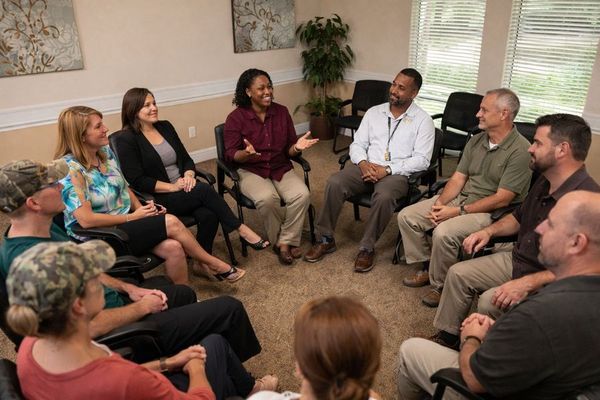
- Behavioral Therapies: Counseling and therapy sessions (individual, group, and family) are vital for identifying triggers, processing trauma, and developing healthy coping strategies.
- Medication-Assisted Treatment (MAT): Utilizing FDA-approved medications alongside counseling and behavioral therapies can be highly effective, particularly for opioid and alcohol use disorders, improving outcomes and reducing relapse rates.
- Residential and Outpatient Services: Programs offer various levels of care, ranging from intensive residential stays to flexible outpatient services, allowing clients to transition back into daily life with continued support.
- Case Management: Services that address coexisting mental health issues (co-occurring disorders) and help connect clients with necessary resources, such as housing or employment support, are critical for long-term stability.
The goal of any robust addiction treatment program is to empower individuals by equipping them with the skills to navigate challenges, foster relapse prevention strategies, and integrate back into their communities with confidence and support.
Frequently Asked Questions
What is Medication-Assisted Treatment (MAT)?
MAT combines behavioral therapy and medications to treat substance use disorders. It is clinically proven to reduce cravings, decrease illicit substance use, and improve social functioning for individuals recovering from opioid or alcohol addiction.
How long does an addiction treatment program usually last?
Treatment length varies greatly depending on the individual’s needs, the severity of the addiction, and the type of program. Programs can range from 30 days to 90 days or longer, often followed by extended aftercare planning and support groups.
Do addiction treatment centers address mental health issues?
Yes, effective addiction treatment programs recognize the high prevalence of co-occurring mental health disorders (dual diagnoses). They provide integrated services to address both the substance use disorder and any underlying mental health conditions simultaneously for better long-term results.
