



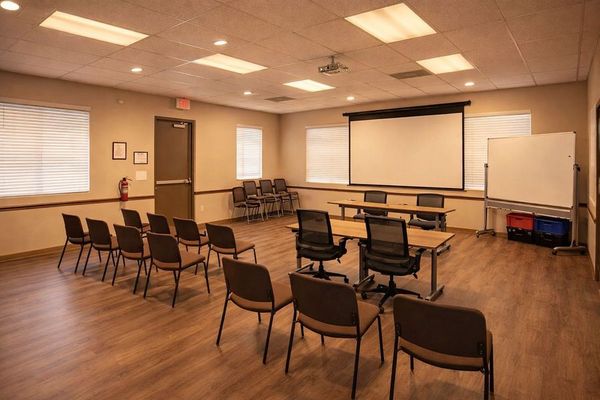
House of Hope Inc: Comprehensive Addiction Treatment in Mankato, MN
Located in Mankato, Minnesota, House of Hope Inc. provides a foundational and empathetic approach to recovery from substance use disorders. Recognizing that addiction is a complex, chronic illness affecting the mind, body, and spirit, this center is dedicated to offering personalized care tailored to the individual’s unique journey. The goal is not merely sobriety, but sustainable, long-term wellness achieved through clinical excellence and compassionate support.
Personalized Treatment Modalities
The core of the program at House of Hope Inc. revolves around a blend of evidence-based practices and holistic therapies. Upon admission, each client undergoes a thorough assessment to determine the most effective path forward. This individualized plan frequently integrates several key therapeutic approaches to ensure comprehensive healing.
Core Components of the Program:
- Individual Counseling: One-on-one sessions focusing on root causes, trauma, and developing essential coping mechanisms.
- Group Therapy: Facilitated discussions providing peer support, shared experiences, and accountability in a structured setting.
- Cognitive Behavioral Therapy (CBT): Techniques designed to identify and change destructive thought patterns that contribute to substance misuse.
- Dialectical Behavior Therapy (DBT): Focus on emotional regulation, mindfulness, distress tolerance, and interpersonal effectiveness.
- Relapse Prevention Planning: Strategies and skills necessary to navigate triggers and maintain sobriety post-treatment.
Fostering a Supportive Environment
Recovery is often most successful when individuals feel safe and supported. House of Hope Inc. strives to create a therapeutic community at its 1429 3rd Avenue location. This environment emphasizes respect, honesty, and mutual encouragement, allowing clients to focus entirely on their healing process without external distractions. Programming often includes psychoeducational workshops designed to teach clients and their families about the dynamics of addiction and the necessary steps for lasting change.
Family involvement is considered a crucial element of the recovery journey. The center offers resources and counseling services designed to mend relationships and educate loved ones on how to best support the recovering individual. By treating the entire system affected by addiction, House of Hope Inc. aims to strengthen the support network vital for long-term success.
FAQs About House of Hope Inc.
What types of addiction does House of Hope Inc. treat?
House of Hope Inc. provides treatment for a wide range of substance use disorders, including alcohol, opioids, stimulants, and other chemical dependencies. Treatment is structured based on the clinical needs identified during the initial assessment.
How long is the typical treatment program?
The length of stay is highly variable and depends on the client’s progress, severity of addiction, and specific needs. Programs may range from 30 days to several months, with an emphasis on creating a solid foundation before transitioning to aftercare.
Does House of Hope Inc. offer aftercare planning?
Yes. A robust aftercare plan is developed for every client prior to discharge. This plan typically includes recommendations for continued outpatient services, participation in support groups (such as 12-step programs), and connections to local community resources to ensure continuous support.
