



Comprehensive Addiction Treatment and Recovery Services
Navigating the path to recovery from substance use disorder requires courage, commitment, and, most importantly, professional support. A comprehensive addiction treatment program offers a structured, evidence-based approach designed to address both the physical dependence and the underlying psychological factors contributing to addiction. These programs are not one-size-fits-all; they are tailored to meet the unique needs of each individual, offering a continuum of care that supports long-term sobriety.
Foundations of Treatment
Effective treatment typically begins with a thorough clinical assessment to determine the most appropriate level of care. For many, the first crucial step is medically managed withdrawal, or detoxification. This process safely manages the acute physical symptoms that occur when stopping substance use. Following detox, the focus shifts to primary treatment, where therapeutic interventions are introduced to foster sustainable recovery.
Therapeutic Approaches and Modalities
Modern addiction treatment integrates a variety of proven therapies to achieve lasting change. These modalities are designed to help individuals develop healthy coping mechanisms, understand the root causes of their substance use, and rebuild their lives. Key components often include:
- Medication-Assisted Treatment (MAT): Utilizing FDA-approved medications (such as Methadone or Suboxone for opioid use) alongside counseling and behavioral therapies to manage cravings and withdrawal symptoms.
- Behavioral Therapies: Cognitive Behavioral Therapy (CBT) and Dialectical Behavior Therapy (DBT) help clients identify and modify destructive thought patterns and behaviors.
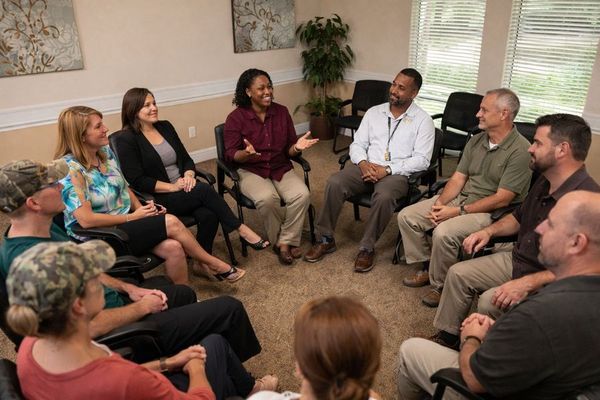
- Individual and Group Counseling: Provides a safe space for personal reflection and shared experiences, building a strong support network essential for recovery.
- Trauma-Informed Care: Recognizing the high correlation between trauma and addiction, this approach addresses past experiences in a sensitive and holistic manner.
Many programs also incorporate specialized tracks for adolescents, women with families, or those with co-occurring mental health disorders, ensuring that care is delivered in a targeted and effective way. The goal is empowerment—providing clients with the tools necessary to maintain sobriety and achieve an improved quality of life, celebrating cultural heritage and serving all ethnic backgrounds.
The Road to Long-Term Wellness
Recovery is an ongoing journey, and a quality treatment program emphasizes aftercare planning. This may involve step-down services like intensive outpatient programs (IOP), sober living arrangements, and connection to community resources and support groups. By focusing on sustained support, these centers dedicate themselves to improving the community and the quality of life for all people they serve, typically serving thousands of individuals annually, often while also providing essential community services like charter schools.
Frequently Asked Questions
What is the typical length of a residential treatment stay?
While lengths vary greatly depending on individual needs and insurance coverage, typical residential stays range from 30 to 90 days. The clinical team determines the necessary duration based on continuous assessment of the client’s progress.
Are family members involved in the treatment process?
Yes, most programs encourage family involvement through education, counseling sessions, and support groups. Addiction affects the entire family system, and including loved ones in treatment is crucial for healing and building a supportive environment for recovery.
Do treatment centers address co-occurring mental health conditions?
Comprehensive treatment facilities specialize in dual diagnosis, meaning they simultaneously treat both substance use disorder and any co-occurring mental health issues, such as depression or anxiety, which often intertwine with addiction.
