



Help with addiction starts with one call.

877-922-8999
PersonPersonPerson

Thousands of people helped nationwide.

Freedom House Recovery Center Inc - Womens Halfway House

Open Now
Contact Information
407 Salem Street, Durham, NC, North Carolina 27703
0.000
Detailed Information

Freedom House Recovery Center Inc – Women’s Halfway House

Located in Durham, NC, the Freedom House Recovery Center Inc – Women’s Halfway House offers a crucial step on the path to long-term sobriety for women recovering from substance use disorders. This residential facility is designed to bridge the gap between intensive treatment programs and full independence, providing a structured, supportive living environment where clients can rebuild their lives.

Program Overview and Philosophy

The core mission of the Women’s Halfway House is to promote lasting recovery through accountability, community integration, and skill-building. It operates under a philosophy that recognizes the unique challenges faced by women in recovery, emphasizing empowerment and peer support within a safe setting. Residents are encouraged to develop personal responsibility, secure employment or educational opportunities, and establish healthy routines necessary for sustainable sobriety.

The program structure often includes a mix of therapeutic activities designed to reinforce coping mechanisms and address underlying issues related to addiction. These typically involve:

  • Group and individual counseling sessions
  • Life skills training, including financial management and healthy cooking
  • Relapse prevention planning
  • Assistance with job searching and vocational goals
  • Participation in 12-step programs or similar support groups

The Residential Experience

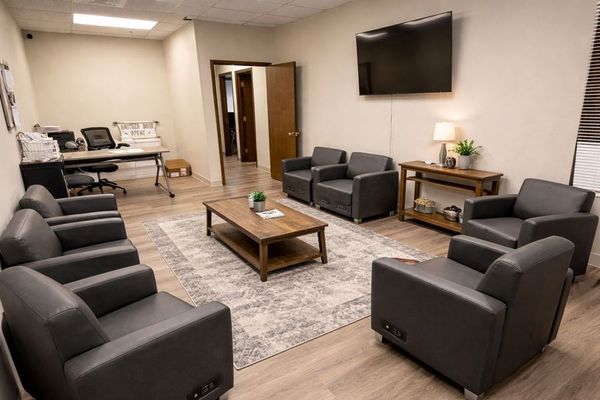
The halfway house provides safe, supervised housing, which is critical during the transitional phase of recovery. Situated at 407 Salem Street in Durham, the location allows residents access to community resources, public transportation, and potential employers. The focus remains on transitioning residents back into society as productive, self-sufficient members while maintaining sobriety. This includes fostering a sisterhood among residents, providing emotional support, and holding one another accountable to house rules and recovery goals.

Staff members provide oversight and guidance, ensuring the environment remains conducive to healing and growth. This focused support structure helps residents navigate the stresses of early recovery outside of a primary treatment setting.

Frequently Asked Questions

What is the difference between a halfway house and an inpatient treatment center?

An inpatient center provides intensive, medically supervised care, often during detoxification and early stabilization. A halfway house (or sober living environment) provides structured housing and support after initial treatment, focusing on community reintegration and independence while maintaining sobriety.

How long can residents typically stay at the Women’s Halfway House?

The length of stay varies based on individual progress and needs, but it is generally a transitional period designed to last several months to a year, providing ample time to establish stable employment and independent housing.

Does the facility offer medical detox services?

No, the Women’s Halfway House is a recovery residence focused on transitional living and supportive services. For crisis or detoxification services, residents or prospective clients should utilize external resources like the Freedom House Crisis Unit (919-967-8844) or Mobile Crisis (866-275-9552).

Opening Hours
Monday
6:00 am - 10:00 pm
Tuesday
6:00 am - 10:00 pm
Wednesday
6:00 am - 10:00 pm
Thursday
6:00 am - 10:00 pm
Friday
6:00 am - 10:00 pm
Saturday
6:00 am - 10:00 pm
Sunday
6:00 am - 10:00 pm
Type of Care
Substance use treatment
Transitional housing, halfway house, or sober home
Service Setting
Outpatient
Intensive outpatient treatment
Regular outpatient treatment
Age Groups Accepted
Young Adults
Adults
Gender Accepted
Female
Payment/Insurance/Funding Accepted
Federal, or any government funding for substance use treatment programs
Medicaid
State-financed health insurance plan other than Medicaid
Type of Opioid Treatment
Buprenorphine maintenance
Prescribes buprenorphine
Relapse prevention with naltrexone
Accepts clients using MAT but prescribed elsewhere
Maintenance service with medically supervised withdrawal after stabilization
Opioid Medications used in Treatment
Buprenorphine used in Treatment
Naltrexone used in Treatment
External Opioid Medications Source
In-network prescribing entity
Other contracted prescribing entity
No formal relationship with prescribing entity
Type of Alcohol Use Disorder Treatment
This facility administers/prescribes medication for alcohol use disorder
Source of Medications Used for Alcohol Use Disorder Treatment
In-network prescribing entity
Other contracted prescribing entity
No formal relationship with prescribing entity
Pharmacotherapies
Buprenorphine with naloxone
Naltrexone (oral)
Medications for HIV treatment
Medications for Hepatitis C treatment
Clonidine
Medication for mental disorders
Assessment/Pre-treatment
Screening for substance use
Professional interventionist/educational consultant
Treatment Approaches
Brief intervention
Relapse prevention
Substance use disorder counseling
Trauma-related counseling
12-step facilitation
Recovery Support Services
Self-help groups
Housing services
Assistance with obtaining social services
Employment counseling or training
Facility Operation
Local, county, or community government
License/Certification/Accreditation
State substance use treatment agency
State department of health
Commission on Accreditation of Rehabilitation Facilities (CARF)
Special Programs/Groups Offered
Adult women
Seniors or older adults
Lesbian, gay, bisexual, transgender, or queer/questioning (LGBTQ)
Veterans
Criminal justice (other than DUI/DWI)/Forensic clients
Clients with co-occurring mental and substance use disorders
Clients with HIV or AIDS
Clients who have experienced sexual abuse
Clients who have experienced intimate partner violence, domestic violence
Clients who have experienced trauma
Testing
Breathalyzer or blood alcohol testing
Drug or alcohol urine screening
Transitional Services
Discharge Planning
Outcome follow-up after discharge
Education and Counseling Services
Substance use disorder education
Facility Smoking Policy
Smoking permitted in designated area
Facility Vaping Policy
Vaping permitted in designated area
Ancillary Services
Social skills development
Find Help (877) 922-8999