



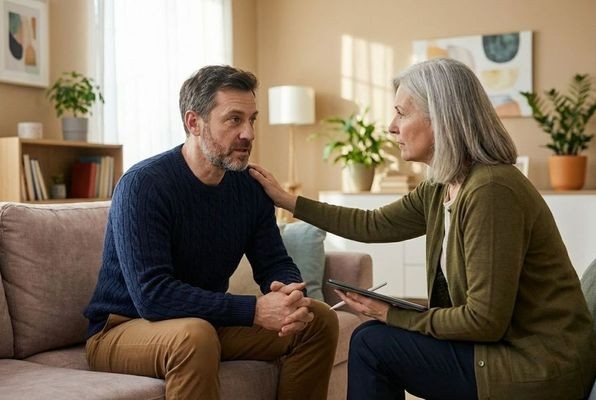
Comprehensive Addiction Treatment Programs: A Path to Lasting Recovery
Navigating the journey toward sobriety can feel overwhelming, but comprehensive addiction treatment programs are designed to provide the necessary structure, support, and clinical tools for sustained recovery. These programs recognize addiction as a complex, chronic disease affecting both the individual and their loved ones. Effective treatment focuses not just on stopping substance use, but on addressing the underlying physical, psychological, and social factors that contribute to dependency. By offering a spectrum of care, these centers ensure that each person receives an individualized plan tailored to their unique needs and circumstances.
The Core Components of Treatment
A successful treatment program integrates several key elements to offer holistic healing. The process typically begins with a thorough clinical assessment to determine the appropriate level of care, followed by medical stabilization if necessary.
Evidence-Based Therapies
Central to recovery are established therapeutic modalities that help individuals understand their behaviors and develop coping mechanisms. Treatment typically involves a combination of individual and group sessions:
- Cognitive Behavioral Therapy (CBT): Focuses on identifying and changing negative thought patterns that lead to substance use.
- Dialectical Behavior Therapy (DBT): Teaches skills in mindfulness, distress tolerance, emotion regulation, and interpersonal effectiveness.
- Motivational Interviewing (MI): Helps clients resolve ambivalence and strengthen internal motivation for change.
Integrated Care and Support
Many individuals struggling with addiction also have co-occurring mental health disorders (dual diagnosis). Integrated care ensures that both the substance use disorder and any mental health issues, such as depression or anxiety, are treated simultaneously by the same clinical team. This approach significantly improves long-term outcomes. Furthermore, family counseling and support programs are often included, as addiction affects the entire family unit. Building a strong support network is critical for successful transition back into daily life.
Continuum of Care and Aftercare Planning
Recovery is a continuous process, not a destination. Effective treatment models emphasize a continuum of care that transitions from highly structured environments to less intensive outpatient settings. This may include residential treatment, partial hospitalization programs (PHP), intensive outpatient programs (IOP), and standard outpatient services.
Before program completion, comprehensive aftercare planning is essential. This plan typically involves connecting clients with local resources, sober living arrangements, peer support groups (like 12-Step programs), and ongoing therapy sessions. Continuous engagement in aftercare dramatically reduces the risk of relapse and promotes sustained well-being.
Frequently Asked Questions (FAQs)
What is the typical duration of an addiction treatment program?
The duration varies widely based on the individual’s needs, the severity of the addiction, and the specific program level. While some residential programs last 28-30 days, longer-term programs (60-90 days or more) are often recommended for deeper foundational work and better long-term results.
Is Medication-Assisted Treatment (MAT) available?
Many modern programs incorporate MAT, which uses FDA-approved medications in combination with counseling and behavioral therapies, particularly for opioid and alcohol use disorders. MAT is clinically proven to improve retention in treatment and reduce cravings.
How do treatment centers handle privacy and confidentiality?
All licensed treatment centers strictly adhere to federal confidentiality regulations, including HIPAA and 42 CFR Part 2, which protect patient identity and treatment information. Information about participation or treatment progress cannot be shared without explicit patient consent.
