



Southeastern New Hampshire Services – Turning Point: Substance Use Disorder Residential Program
Southeastern New Hampshire Services (SENHS) offers Turning Point, a dedicated low-intensity residential program designed to support individuals grappling with alcohol and drug abuse. Located in Dover, New Hampshire, this program provides a structured, supportive environment for those beginning their journey toward sustained sobriety and recovery. The core philosophy centers on comprehensive care that addresses the multiple facets of substance use disorder—physical, psychological, and social.
Program Focus and Therapeutic Approach
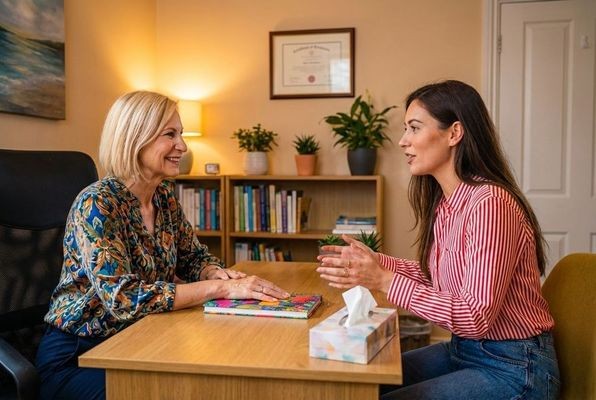
Turning Point employs a multi-modal therapeutic strategy rooted in evidence-based practices (EBPs). Treatment is highly individualized, beginning with a thorough biopsychosocial evaluation to ensure the care plan aligns precisely with the client’s specific needs and history. The clinical offerings are robust, integrating both individual and group psychotherapy sessions. These sessions are critical for helping residents understand the root causes of their addiction, develop essential coping mechanisms, and process trauma or co-occurring mental health challenges.
Key Components of the Recovery Process
The daily schedule at Turning Point is structured to foster accountability and personal growth. A significant component of the program involves psycho-educational lectures, which equip residents with practical knowledge about addiction, brain chemistry, and the dynamics of recovery. Furthermore, clinical case management services play a vital role, helping clients navigate community resources, housing, employment, and ongoing medical needs as they prepare for transition out of residential care.
Relapse prevention is a central tenet of the curriculum. Through specialized training and group discussions, residents learn to identify high-risk situations, manage triggers, and build a solid support network for long-term success. The low-intensity residential setting offers a balance, providing necessary structure while preparing individuals for reintegration into their communities equipped with the tools needed to maintain their recovery.
Frequently Asked Questions
- What is the typical length of stay at Turning Point? The length of stay is determined individually based on clinical need and progress, following the individualized treatment plan developed during the initial assessment.
- Does Turning Point offer detoxification services? As a low-intensity residential program, Turning Point focuses on ongoing substance use disorder treatment and recovery. Prospective residents should inquire about necessary detox services prior to admission if medically required.
- Are family members involved in the treatment process? While the core program focuses on the resident’s individual journey, case managers and therapists may discuss involvement of family or supportive individuals as part of the overall treatment and discharge planning.
