



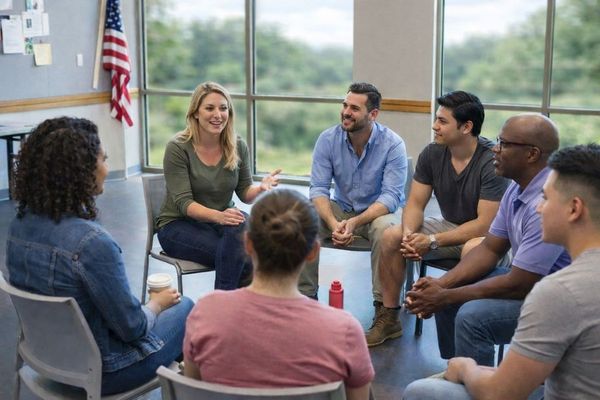
Upper Manhattan Mental Health Center ABLE Halfway House/SA: Residential and Recovery Support
Located in New York, NY, the Upper Manhattan Mental Health Center (UMMHC) ABLE Halfway House/SA provides essential residential treatment and recovery support tailored for individuals navigating substance use and mental health challenges. This program is dedicated to fostering lasting recovery by addressing the complex interplay between addiction and co-occurring disorders within a supportive, structured environment. The center operates with a commitment to providing comprehensive care that respects the unique background and needs of every resident.
Program Focus: Integrative and Trauma-Informed Care
UMMHC operates as an integrative mental health center, meaning treatment is holistic and addresses both the mind and body. A core philosophy guiding their approach is trauma-informed care, recognizing the significant role that past trauma often plays in the development of substance use disorders. This specialized approach ensures that services are delivered in a sensitive manner that avoids re-traumatization and focuses instead on healing and stabilization. The dedicated staff are trained to work with adults facing substance use disorders, co-occurring mental health conditions, and provide a spectrum of specialized counseling services designed to equip individuals with the tools necessary for long-term sobriety.
Residential Treatment Environment
The facility functions as a residential center, offering a safe and stable setting away from the stresses and triggers of daily life, which is critical during the initial phases of recovery. This environment provides continuous supervision and peer support, fostering a strong sense of community and accountability among residents. Furthermore, the inclusion of sober living services demonstrates a continuum of care, helping residents transition successfully back into independent life while maintaining their sobriety and integrating recovery principles into their everyday routines.
Services and Support
The treatment model at the ABLE Halfway House/SA emphasizes individual growth and sustained recovery. Key services typically offered include:
- Individual and Group Therapy
- Counseling for Co-occurring Disorders
- Trauma-Focused Interventions
- Relapse Prevention Planning
- Case Management and Aftercare Planning
- Life Skills Development
By providing both intensive treatment within the residential setting and a pathway to supportive sober living, UMMHC strives to ensure that adults receive the comprehensive support needed to achieve profound behavioral change and a sustainable, fulfilling life in recovery.
Frequently Asked Questions (FAQs)
What types of disorders does the center specialize in treating?
The center specializes in providing care for adults with substance use disorders, particularly those who also experience co-occurring mental health disorders (dual diagnosis).
Is the ABLE Halfway House a short-term or long-term program?
As a halfway house and residential center, the program typically supports residents through a phased, longer-term recovery process, offering structured living followed by options for sober living transition.
What makes the care “trauma-informed”?
Trauma-informed care means that all staff and services recognize the prevalence and impact of trauma on substance use, tailoring treatment methods to promote emotional safety, trust, and choice throughout the recovery journey.
