



Help with addiction starts with one call.

877-922-8999
PersonPersonPerson

Thousands of people helped nationwide.

UPMC Mckeesport Hosptial - Addiction Medicine

Contact Information
1500 5th Avenue, McKeesport, PA, Pennsylvania 15132
0.000
Detailed Information

UPMC McKeesport Hospital Addiction Medicine Program Overview

Located at 1500 5th Avenue in McKeesport, PA, the UPMC McKeesport Hospital Addiction Medicine program offers essential treatment services for individuals struggling with substance use disorders. This specialized unit is dedicated to providing comprehensive and compassionate care within a professional hospital setting, ensuring patients receive high-quality medical support alongside therapeutic interventions.

A Holistic Approach to Recovery

The program employs a multidisciplinary team to address the complex nature of addiction. Treatment plans are highly individualized, combining evidence-based practices with personalized support to foster long-term recovery. Initial assessment typically includes a thorough medical evaluation to address any co-occurring physical health issues that may complicate the addiction treatment process.

Core Services and Treatment Modalities

A key focus of the UPMC McKeesport Addiction Medicine program is stabilizing patients and transitioning them toward sustained sobriety. Services often include medically managed detoxification, which is critical for safe withdrawal from certain substances. Following detox, patients move into more intensive therapeutic phases.

Program Components Include:

  • Medication-Assisted Treatment (MAT): Utilizing FDA-approved medications to help reduce cravings and withdrawal symptoms, particularly for opioid and alcohol use disorders.
  • Individual Counseling: One-on-one sessions with licensed therapists to explore the root causes of addiction, develop coping strategies, and work toward personal goals.
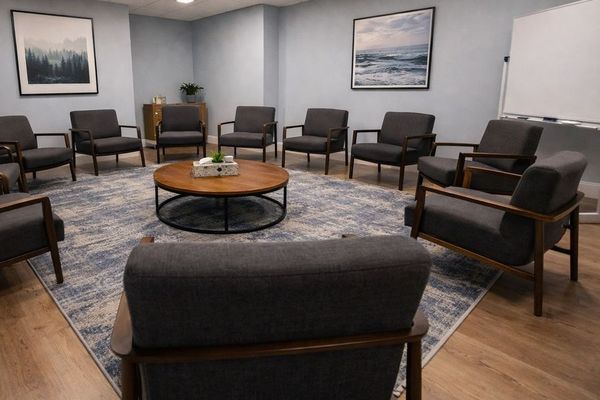
  • Group Therapy: Structured sessions that provide peer support, education on relapse prevention, and skill-building in a supportive communal environment.
  • Referrals and Aftercare Planning: Developing a robust plan for continued recovery post-discharge, including connections to outpatient services, support groups, and community resources.

Commitment to Community Health

The UPMC McKeesport facility serves as a vital resource for the McKeesport area and surrounding communities. By integrating addiction treatment within a major hospital system, the program offers seamless access to a broad range of medical expertise, ensuring that patients receive coordinated care for both their addiction and any underlying mental or physical health conditions. The dedicated team strives to create a respectful, non-judgmental environment that empowers patients to reclaim their health and futures.

Frequently Asked Questions

What substances does the program treat?

The program treats a wide range of substance use disorders, including addiction to opioids, alcohol, benzodiazepines, cocaine, and methamphetamine, among others.

Is Medication-Assisted Treatment (MAT) offered?

Yes, MAT is a standard component of care, used when clinically appropriate to enhance patient outcomes and support recovery.

How long is the typical stay in the program?

The length of stay varies depending on the individual patient’s needs and clinical status. This is determined during the assessment phase and continually re-evaluated by the treatment team.

What is the next step after completing the inpatient phase?

Upon discharge, staff assist patients with comprehensive aftercare planning, which may involve referral to UPMC’s outpatient services, intensive outpatient programs (IOP), partial hospitalization programs (PHP), and local support groups like NA or AA.

Opening Hours
Monday
6:00 am - 10:00 pm
Tuesday
6:00 am - 10:00 pm
Wednesday
6:00 am - 10:00 pm
Thursday
6:00 am - 10:00 pm
Friday
6:00 am - 10:00 pm
Saturday
6:00 am - 10:00 pm
Sunday
6:00 am - 10:00 pm
Type of Care
Substance use treatment
Detoxification
Service Setting
Outpatient
Outpatient methadone/buprenorphine or naltrexone treatment
Regular outpatient treatment
Hospitals
General Hospital (including VA hospital)
Age Groups Accepted
Young Adults
Adults
Gender Accepted
Female
Male
Payment/Insurance/Funding Accepted
Medicare
Medicaid
Federal military insurance (e.g. TRICARE)
Private health insurance
Cash or self-payment
State-financed health insurance plan other than Medicaid
Detoxification (medical withdrawal) Services
Alcohol Detoxification
Benzodiazepines Detoxification
Opioids detoxification
Medication routinely used during detoxification
Type of Opioid Treatment
Buprenorphine detoxification
Buprenorphine maintenance
Federally-certified Opioid Treatment Program
Methadone detoxification
Methadone maintenance
Prescribes buprenorphine
Prescribes naltrexone
Relapse prevention with naltrexone
Accepts clients using MAT but prescribed elsewhere
Lofexidine or Clonidine detoxification
Maintenance service with medically supervised withdrawal after stabilization
Opioid Medications used in Treatment
Methadone used in Treatment
Buprenorphine used in Treatment
Naltrexone used in Treatment
External Opioid Medications Source
In-network prescribing entity
Type of Alcohol Use Disorder Treatment
Accepts clients using medication assisted treatment for alcohol use disorder but prescribed elsewhere
This facility administers/prescribes medication for alcohol use disorder
Source of Medications Used for Alcohol Use Disorder Treatment
In-network prescribing entity
Pharmacotherapies
Acamprosate (Campral®)
Disulfiram
Methadone
Buprenorphine with naloxone
Buprenorphine without naloxone
Buprenorphine (extended-release, injectable)
Naltrexone (oral)
Naltrexone (extended-release, injectable)
Medications for HIV treatment
Medications for Hepatitis C treatment
Clonidine
Medication for mental disorders
Nicotine replacement
Non-nicotine smoking/tobacco cessation
Assessment/Pre-treatment
Comprehensive mental health assessment
Comprehensive substance use assessment
Interim services for clients
Outreach to persons in the community
Complete medical history/physical exam
Screening for tobacco use
Screening for substance use
Screening for mental disorders
Professional interventionist/educational consultant
Treatment Approaches
Anger management
Brief intervention
Cognitive behavioral therapy
Motivational interviewing
Relapse prevention
Substance use disorder counseling
Telemedicine/telehealth therapy
12-step facilitation
Recovery Support Services
Self-help groups
Housing services
Assistance with obtaining social services
Mentoring/peer support
Facility Operation
Private non-profit organization
License/Certification/Accreditation
State department of health
Commission on Accreditation of Rehabilitation Facilities (CARF)
Hospital licensing authority
The Joint Commission
SAMHSA certification for opioid treatment program (OTP)
Drug Enforcement Agency (DEA)
Testing
Breathalyzer or blood alcohol testing
Drug and alcohol oral fluid testing
Drug or alcohol urine screening
HIV testing
STD testing
TB screening
Metabolic syndrome monitoring
Testing for Hepatitis B (HBV)
Testing for Hepatitis C (HCV)
Transitional Services
Aftercare/continuing care
Discharge Planning
Naloxone and overdose education
Outcome follow-up after discharge
Education and Counseling Services
HIV or AIDS education, counseling, or support
Hepatitis education, counseling, or support
Health education services other than HIV/AIDS or hepatitis
Substance use disorder education
Smoking/vaping/tobacco cessation counseling
Individual counseling
Group counseling
Family counseling
Medical Services
Hepatitis A (HAV) vaccination
Hepatitis B (HBV) vaccination
Facility Smoking Policy
Smoking not permitted
Facility Vaping Policy
Vaping not permitted
Ancillary Services
Case management service
Language Services
Sign language services for the deaf and hard of hearing
Find Help (877) 922-8999