



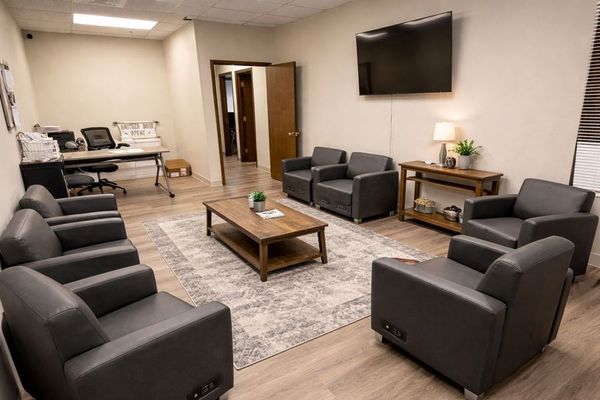
Abstinent Living at the Turning Point
Located in Washington, PA, Abstinent Living at the Turning Point offers a structured and supportive environment designed to help individuals maintain long-term sobriety. This program focuses on providing residents with the necessary tools, accountability, and community connection essential for navigating the complexities of recovery after initial treatment. It is situated at 199 North Main Street, offering a convenient location that encourages integration back into society while prioritizing abstinence.
A Focus on Structured Sober Living
The core philosophy of Abstinent Living at the Turning Point revolves around creating a stable transition period. For many individuals leaving intensive residential care, the return to everyday life can be overwhelming, increasing the risk of relapse. This facility bridges that gap by offering a semi-independent living arrangement where residents commit to a set of guidelines focused on personal growth and responsibility. The structured environment ensures residents are accountable to their peers and staff, reinforcing the disciplines learned in primary treatment.
Program Components
The approach incorporates several key elements aimed at holistic recovery:
- Peer Support: Residents live together, building a strong community network that provides mutual encouragement and understanding. This sense of belonging is vital for mental health and sustained recovery.
- Mandatory 12-Step Participation: Active and consistent involvement in 12-Step or other recovery meetings is a fundamental requirement, helping residents develop a robust, lifelong support system.
- Life Skills Development: Focus is placed on practical skills needed for independent living, including employment seeking, budgeting, and healthy relationship building.
- Regular Drug and Alcohol Screening: To maintain the safety and integrity of the sober environment, frequent and random testing is conducted, ensuring full compliance with abstinence.
Commitment to Long-Term Recovery
Abstinent Living at the Turning Point is committed to fostering autonomy. While providing structure, the program encourages residents to take ownership of their recovery journey. It serves as a testing ground for newly acquired coping mechanisms, allowing individuals to practice sobriety in real-world scenarios under compassionate oversight. The goal is not just temporary abstinence, but the development of a foundation strong enough to support a healthy, productive life free from addiction.
Frequently Asked Questions
What is the typical length of stay at Abstinent Living at the Turning Point?
While the exact duration varies based on individual needs and progress, residents are generally encouraged to commit to a stay of several months to a year to fully integrate recovery principles and establish stability before transitioning to fully independent living.
Is employment required while residing at the facility?
Yes, finding and maintaining employment or engaging in full-time educational pursuits is strongly encouraged as a key component of regaining independence and responsibility during the recovery process.
Does the facility provide clinical therapy or detox services?
No, Abstinent Living at the Turning Point is a sober living environment, not a clinical treatment center. Residents must have completed primary treatment and be medically stable prior to admission. The program supports ongoing clinical care through outside providers but does not offer on-site therapy or detoxification.
