



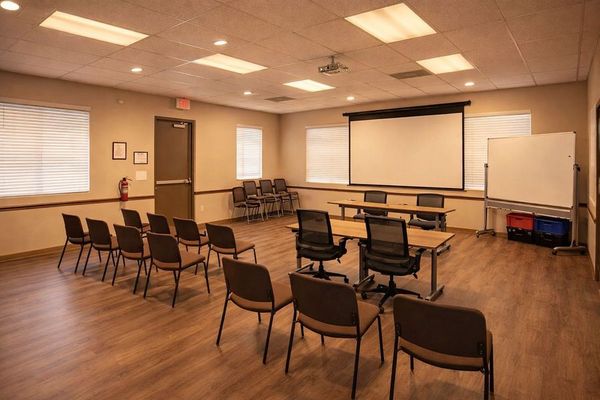
REACH Project: Comprehensive Recovery in Pittsburg, CA
The REACH Project, located at 1750 Harbor Street in Pittsburg, CA, is dedicated to providing comprehensive and compassionate care for individuals struggling with substance use disorder. Understanding that addiction is a complex, chronic disease, the REACH Project employs a multi-faceted approach to treatment, focusing not just on sobriety, but on long-term wellness and reintegration into the community. We strive to empower our clients by equipping them with the necessary tools, skills, and support systems required to navigate life successfully without reliance on substances.
Personalized Treatment Planning
Effective recovery begins with a plan tailored to the individual. Upon entry, each client undergoes a thorough assessment to determine the severity of their substance use, any co-occurring mental health disorders, and their unique life circumstances. This comprehensive evaluation informs the creation of a Personalized Treatment Plan (PTP). This plan often incorporates a blend of evidence-based therapies, holistic approaches, and practical life skill training, ensuring that the treatment addresses the root causes of addiction and promotes lasting change.
Core Therapeutic Modalities
At the heart of the REACH Project’s success are its diverse therapeutic offerings. Our experienced clinicians facilitate both individual and group therapy sessions utilizing proven techniques:
- Cognitive Behavioral Therapy (CBT): Helps clients identify and change destructive thought patterns and behaviors.
- Dialectical Behavior Therapy (DBT): Focuses on improving emotional regulation, mindfulness, and distress tolerance.
- Motivational Interviewing (MI): Encourages clients to resolve ambivalence and find internal motivation for change.
- Family Counseling: Addresses the impact of addiction on loved ones and facilitates healing and healthy communication within the family unit.
Focus on Long-Term Wellness and Aftercare
The transition from a structured treatment environment back to daily life is critical. The REACH Project places significant emphasis on robust aftercare planning. This post-treatment support system is designed to minimize relapse risk and ensure clients have continuous access to resources as they rebuild their lives. Components of the aftercare strategy typically include:
- Referrals to local support groups (e.g., 12-Step programs).
- Assistance with securing stable housing and employment.
- Ongoing alumni programs and check-ins to maintain connection and accountability.
- Continued outpatient therapy services as needed.
We believe that recovery is a continuous journey, and the REACH Project is committed to being a reliable partner every step of the way.
Frequently Asked Questions (FAQs)
What substances does the REACH Project treat?
We provide treatment for a wide range of substance use disorders, including alcohol, opioids, benzodiazepines, methamphetamine, and cocaine.
Is the REACH Project facility residential or outpatient?
The REACH Project offers various levels of care, which may include intensive outpatient programs (IOP) and standard outpatient services. Please contact us directly for current program specifics and availability of residential options.
Does the program accept health insurance?
We work with many major insurance providers. We recommend contacting our admissions team to verify your benefits and discuss financial options.
