



Help with addiction starts with one call.

877-922-8999
PersonPersonPerson

Thousands of people helped nationwide.

Community Health Resources - Manchester Clinic

Contact Information
444 Center Street, Manchester, CT, Connecticut 06040
0.000
Detailed Information

Community Health Resources – Manchester Clinic: Comprehensive Addiction Treatment

Located at 444 Center Street in Manchester, CT, the Community Health Resources (CHR) Manchester Clinic is a vital resource dedicated to providing professional and compassionate care for individuals struggling with substance use disorders. Recognizing the complex nature of addiction, CHR offers a holistic and client-centered approach, ensuring that treatment plans are tailored to meet the unique needs and circumstances of every person seeking help. Their commitment is to support clients through every phase of recovery, from initial detoxification to long-term sobriety maintenance.

Integrated Approach to Recovery

The addiction treatment program at the Manchester Clinic is designed around an integrated care model, which addresses not only the physical dependency but also the underlying mental health conditions that often co-occur with addiction. This dual diagnosis capability ensures a more effective and sustainable path to recovery. Treatment modalities are evidence-based, drawing from the latest research in addiction medicine and behavioral health.

Core Services Provided

CHR offers a continuum of care, allowing clients to transition smoothly between different levels of support as they progress. Key components of the program include:

  • Outpatient Counseling: Individual, group, and family therapy sessions designed to build coping skills, address trauma, and foster healthy communication.
  • Medication-Assisted Treatment (MAT): The use of FDA-approved medications combined with counseling and behavioral therapies to treat opioid or alcohol use disorders, reducing cravings and preventing relapse.
  • Case Management: Assistance with connecting to external resources such as housing, employment, and educational opportunities.
  • Psychiatric Services: Assessment and management of co-occurring mental health disorders by licensed professionals.

The Path to Sustainable Sobriety

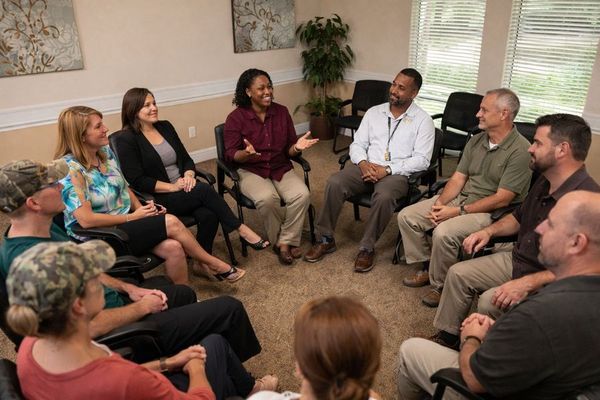
Sustained recovery requires developing new life skills and establishing robust support systems. The Manchester Clinic strongly emphasizes relapse prevention planning and aftercare. Group therapy plays a crucial role, providing a safe environment for clients to share experiences, gain peer support, and reduce feelings of isolation. By empowering clients to take ownership of their recovery, CHR equips them with the tools necessary to navigate life’s challenges without resorting to substance use.

Frequently Asked Questions (FAQs)

Does the CHR Manchester Clinic accept insurance?
The clinic works with many insurance providers and also offers resources for those without insurance. It is recommended to contact the clinic directly to verify coverage and payment options.
How long does the addiction treatment program last?
The duration of treatment is highly individualized. It depends on the client’s specific needs, the severity of the substance use disorder, and their progress in meeting established goals. Programs can range from several weeks to several months.
Can I continue working while attending treatment?
For clients enrolled in outpatient programs, yes, treatment is structured to allow individuals to maintain their employment, family life, and other daily responsibilities while receiving care.

Opening Hours
Monday
6:00 am - 10:00 pm
Tuesday
6:00 am - 10:00 pm
Wednesday
6:00 am - 10:00 pm
Thursday
6:00 am - 10:00 pm
Friday
6:00 am - 10:00 pm
Saturday
6:00 am - 10:00 pm
Sunday
6:00 am - 10:00 pm
Type of Care
Substance use treatment
Treatment for co-occurring substance use plus either serious mental health illness in adults/serious emotional disturbance in children
Service Setting
Outpatient
Outpatient day treatment or partial hospitalization
Intensive outpatient treatment
Outpatient methadone/buprenorphine or naltrexone treatment
Gender Accepted
Female
Male
Payment/Insurance/Funding Accepted
Federal, or any government funding for substance use treatment programs
Medicare
Medicaid
Federal military insurance (e.g. TRICARE)
Private health insurance
Cash or self-payment
State-financed health insurance plan other than Medicaid
SAMHSA funding/block grants
Payment Assistance Available
Sliding fee scale (fee is based on income and other factors)
Type of Opioid Treatment
Prescribes buprenorphine
Prescribes naltrexone
Opioid Medications used in Treatment
Buprenorphine used in Treatment
Naltrexone used in Treatment
Type of Alcohol Use Disorder Treatment
This facility administers/prescribes medication for alcohol use disorder
Source of Medications Used for Alcohol Use Disorder Treatment
In-network prescribing entity
Pharmacotherapies
Acamprosate (Campral®)
Disulfiram
Buprenorphine with naloxone
Buprenorphine without naloxone
Naltrexone (oral)
Clonidine
Medication for mental disorders
Nicotine replacement
Non-nicotine smoking/tobacco cessation
Assessment/Pre-treatment
Comprehensive mental health assessment
Comprehensive substance use assessment
Outreach to persons in the community
Screening for tobacco use
Screening for substance use
Screening for mental disorders
Treatment Approaches
Anger management
Brief intervention
Cognitive behavioral therapy
Motivational interviewing
Matrix Model
Relapse prevention
Substance use disorder counseling
Trauma-related counseling
Telemedicine/telehealth therapy
Recovery Support Services
Assistance with obtaining social services
Recovery coach
Mentoring/peer support
Employment counseling or training
Facility Operation
Private non-profit organization
License/Certification/Accreditation
State substance use treatment agency
State mental health department
State department of health
The Joint Commission
Special Programs/Groups Offered
Adolescents
Young adults
Adult women
Adult men
Criminal justice (other than DUI/DWI)/Forensic clients
Clients with co-occurring mental and substance use disorders
Clients who have experienced sexual abuse
Clients who have experienced trauma
Testing
Breathalyzer or blood alcohol testing
Drug and alcohol oral fluid testing
Drug or alcohol urine screening
Metabolic syndrome monitoring
Transitional Services
Aftercare/continuing care
Discharge Planning
Naloxone and overdose education
Outcome follow-up after discharge
Other Services
Treatment for gambling disorder
Treatment for other addiction disorder
Education and Counseling Services
HIV or AIDS education, counseling, or support
Hepatitis education, counseling, or support
Health education services other than HIV/AIDS or hepatitis
Substance use disorder education
Smoking/vaping/tobacco cessation counseling
Individual counseling
Group counseling
Family counseling
Marital/couples counseling
Facility Smoking Policy
Smoking not permitted
Facility Vaping Policy
Vaping not permitted
Ancillary Services
Acupuncture
Domestic violence services, including family or partner
Mental health services
Social skills development
Language Services
Spanish
Sign language services for the deaf and hard of hearing
Find Help (877) 922-8999