



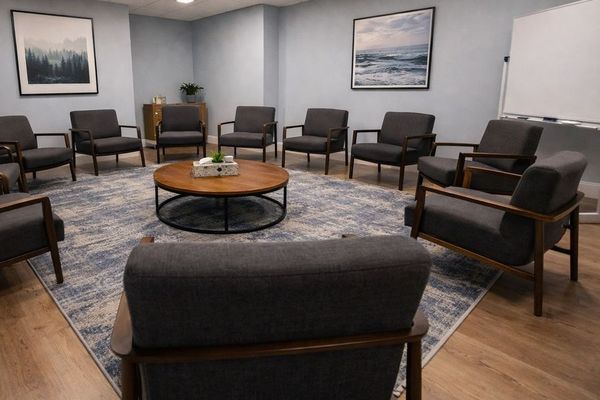
Building Beginnings: A Foundation for Recovery in Provo, UT
Building Beginnings, located at 286 South 600 East in Provo, UT, offers a comprehensive and compassionate approach to overcoming substance use disorder. Recognizing that addiction is a complex disease, our philosophy centers on treating the whole person—mind, body, and spirit—to establish a stable and lasting foundation for sobriety. We are committed to providing personalized care in a supportive and structured environment designed to empower individuals through every step of their recovery journey.
Personalized Treatment Plans
Understanding that no two paths to recovery are identical, every client at Building Beginnings receives an individualized treatment plan. Our clinical team conducts thorough assessments to understand the client’s history, specific challenges, and unique needs. This allows us to integrate various therapeutic modalities into a cohesive strategy aimed at fostering sustainable change and relapse prevention. We believe that tailoring the approach increases engagement and improves long-term outcomes.
Core Therapeutic Modalities
Our program incorporates evidence-based therapies proven effective in treating addiction. These methods help clients address the underlying causes of substance abuse, develop essential coping skills, and repair damaged relationships. We focus heavily on practical tools that clients can use immediately upon transitioning out of our care.
- Cognitive Behavioral Therapy (CBT): Helps identify and modify negative thought patterns and behaviors related to substance use.
- Dialectical Behavior Therapy (DBT) Skills: Focuses on improving mindfulness, distress tolerance, emotional regulation, and interpersonal effectiveness.
- Individual and Group Counseling: Provides a safe space for personal reflection, shared experiences, and peer support.
- Family Programming: Offers education and therapy sessions to heal family systems affected by addiction.
Emphasis on Aftercare and Community
Successful recovery extends far beyond the initial treatment phase. Building Beginnings places a strong emphasis on aftercare planning to ensure a smooth and supported transition back to daily life. We help clients connect with vital community resources, housing assistance, educational opportunities, and employment support. Continuous engagement with the recovery community is key to long-term success, and we facilitate connections with local support groups and alumni networks.
Frequently Asked Questions
1. What is the typical length of stay at Building Beginnings?
The length of stay varies depending on the client’s clinical needs and progress, often ranging from 30 to 90 days. All decisions regarding length of stay are made collaboratively between the clinical team and the client.
2. Does Building Beginnings accept insurance?
Building Beginnings works with many major insurance providers. We recommend contacting our admissions team directly to verify your benefits and discuss payment options.
3. What are the qualifications of the clinical staff?
Our team consists of licensed and certified professionals, including licensed clinical social workers (LCSWs), certified addiction counselors (CACs), and medical personnel specializing in addiction treatment.
4. Can I have visitors while in treatment?
Yes, we believe family support is crucial. Visits are scheduled according to the program’s guidelines and the client’s individual phase of treatment to ensure focus on recovery while maintaining connection with loved ones.
